The way people travel and live away from home is evolving rapidly. Traditional hotel stays are no longer the default choice for many travellers. Instead, flexible stays, smart apartment features, and technology-driven comfort are shaping the future of accommodation. As work, lifestyle, and travel continue to blend, guests are seeking spaces that offer more than just a place to sleep—they want convenience, efficiency, and a true home-like experience.
The Rise of Flexible Stays
Flexibility has become one of the most important factors in modern travel. With the growth of remote work, digital nomadism, and project-based employment, travellers are no longer bound by rigid schedules.
Flexible stays allow guests to book accommodation for varying lengths of time, from a few nights to several months. This adaptability is especially valuable for professionals on temporary assignments, relocating families, or travellers exploring new cities at their own pace.
Serviced apartments are at the forefront of this shift. They provide the flexibility that hotels often lack, with options for extended stays, easy booking extensions, and more personalised arrangements.
Smart Apartments: The Next Step in Comfort
Technology is transforming the way people interact with their living spaces. Smart apartments are becoming increasingly popular, offering features that enhance both convenience and comfort.
Key smart features include:
- Keyless entry systems for seamless check-in and enhanced security
- Smart thermostats that adjust temperature based on preferences
- Voice-controlled lighting and appliances for ease of use
- High-speed, reliable internet connectivity for work and entertainment
These innovations not only improve the guest experience but also streamline property management, making operations more efficient.
For long-stay guests, these features create a more intuitive and personalised living environment, allowing them to settle in quickly and comfortably.
Tech-Driven Guest Experiences
Beyond physical features, technology is also improving the overall guest journey. From booking to check-out, digital solutions are making every step more convenient.
Online booking platforms such as Booking.com and Airbnb, mobile check-ins, and digital concierge services allow guests to manage their stay with ease. Communication with property managers is faster and more efficient, ensuring that any issues are resolved promptly.
Automation is also playing a role in housekeeping schedules, maintenance requests, and guest services. These advancements reduce friction and create a smoother, more enjoyable experience.
The Blending of Work and Travel
The rise of remote work has blurred the lines between business and leisure travel. Many travellers are now combining work with exploration, leading to the concept of “bleisure” travel.
As a result, accommodation must support both productivity and relaxation. Guests expect dedicated workspaces, ergonomic furniture, and quiet environments, alongside comfortable living areas and access to lifestyle amenities.
Serviced apartments are well-suited to this trend, offering the space and functionality needed to balance work and personal time.
Sustainability and Conscious Living
Sustainability is becoming a key consideration in travel decisions. Guests are increasingly aware of their environmental impact and are looking for accommodation that aligns with their values.
Smart apartments often incorporate energy-efficient systems, such as automated lighting and temperature control, which reduce energy consumption. Many properties are also adopting eco-friendly practices, including waste reduction and sustainable materials.
These initiatives not only benefit the environment but also appeal to a growing segment of environmentally conscious travellers.
The Role of Location and Connectivity
While technology enhances the experience, location remains a critical factor. Travellers still prioritise easy access to public transport, business districts, and lifestyle hubs.
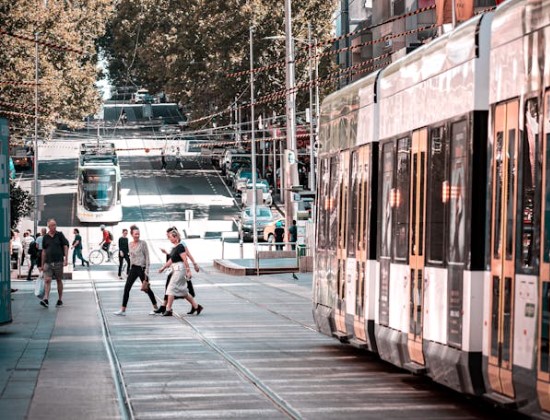
Properties located in well-connected areas allow guests to move around efficiently while enjoying everything the city has to offer. In Melbourne, central locations like Southbank and the CBD continue to attract both short- and long-term guests.
Providers such as Corporate Keys’ fully furnished apartments in Melbourne are adapting to these trends by offering properties that combine prime locations with modern amenities and flexible stay options.
Personalisation as the New Standard
The future of travel is not just about convenience—it’s about personalisation. Guests want experiences tailored to their preferences, from room settings to service options.
Data-driven insights and smart technologies enable accommodation providers to understand guest behaviour and deliver more customised experiences. Whether it’s preferred room temperature, housekeeping schedules, or local recommendations, personalisation enhances satisfaction and loyalty.
What This Means for Property Owners
For property owners, adapting to these trends is essential for staying competitive. Investing in smart technology, offering flexible lease options, and focusing on guest experience can significantly increase demand and occupancy rates.
The shift towards serviced apartments and tech-enabled living also opens new opportunities for higher returns, particularly in cities with strong corporate and long-stay markets.
Final Thoughts
The future of travel is being shaped by flexibility, innovation, and evolving guest expectations. As travellers seek more control over their stays and a higher level of comfort, accommodation providers must adapt to meet these demands.
Flexible stays, smart apartments, and technology-driven experiences are no longer optional—they are becoming the standard. For both guests and property owners, embracing these changes offers a pathway to more efficient, comfortable, and enjoyable living.
As the industry continues to evolve, those who prioritise innovation and guest-centric design will lead the way in redefining modern travel.