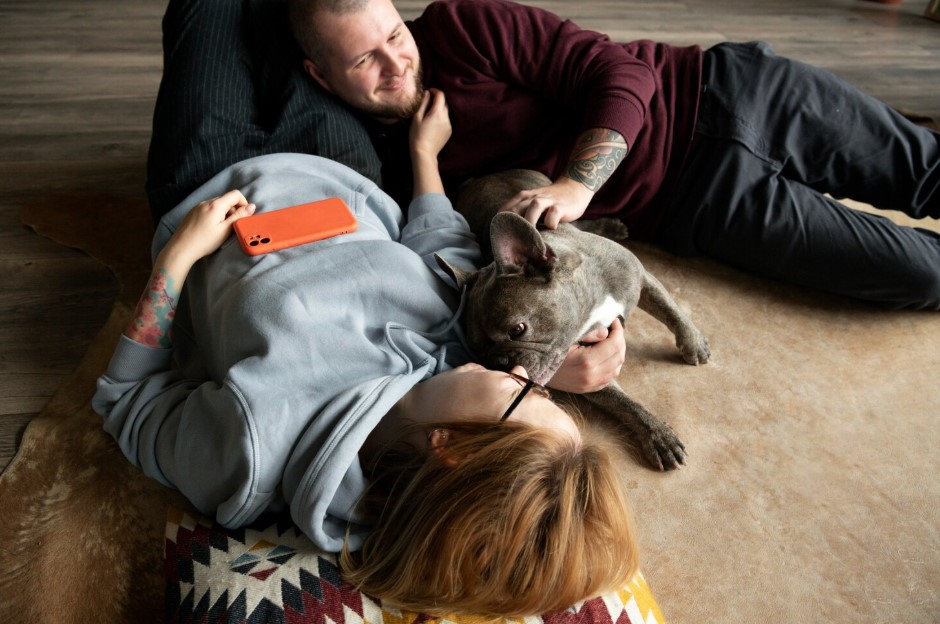
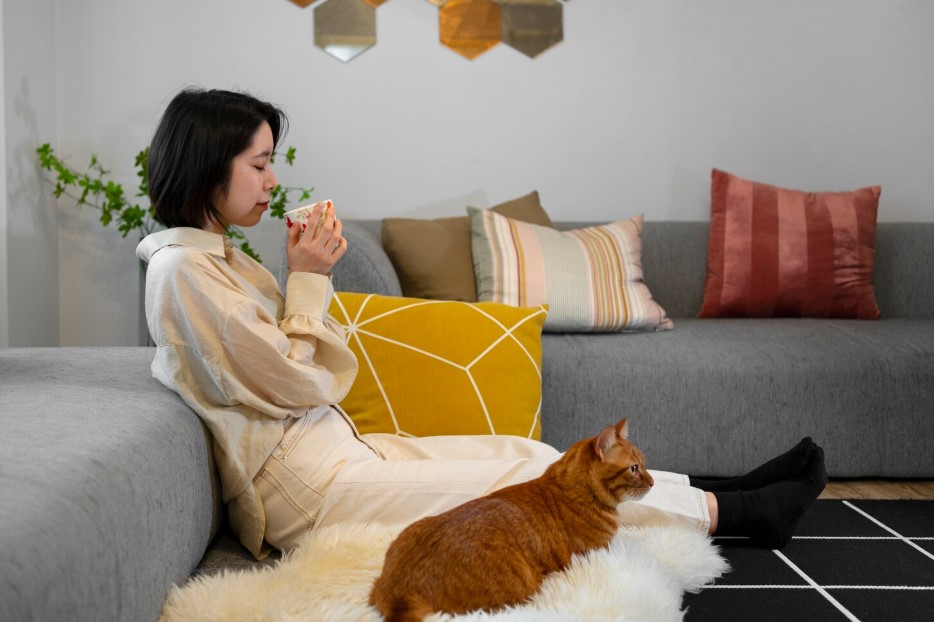
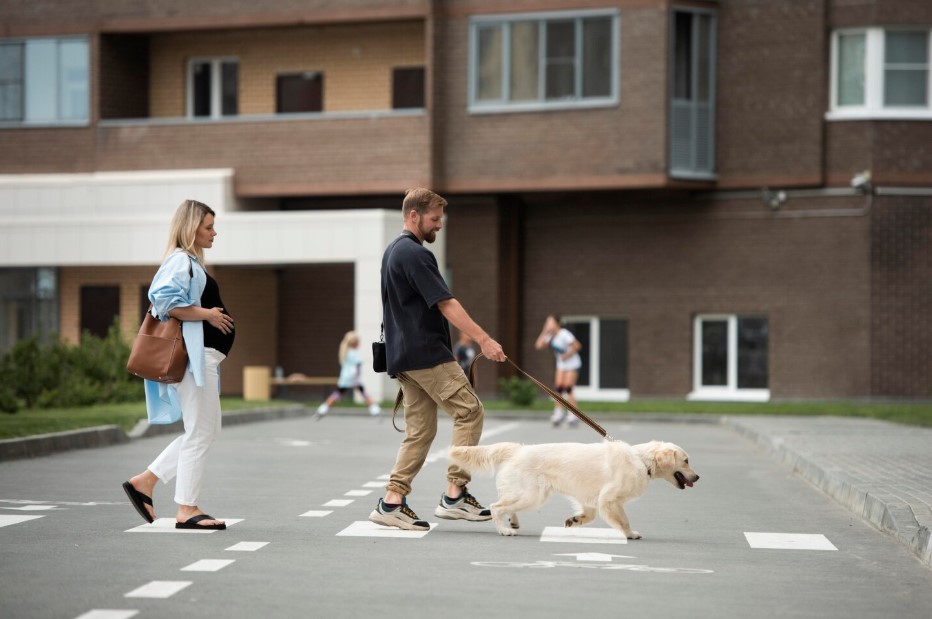
Apartment living offers many benefits for pet owners, including convenient locations, manageable spaces, and close proximity to parks, shops, and workplaces. However, pets living in apartments may sometimes struggle with one common issue: separation anxiety. When pets become overly attached to their owners, being left alone—even for a short period—can cause stress and anxiety. Understanding the signs of separation anxiety and learning how to manage it can help ensure that apartment pets remain happy, healthy, and emotionally balanced.
What Is Separation Anxiety in Pets?
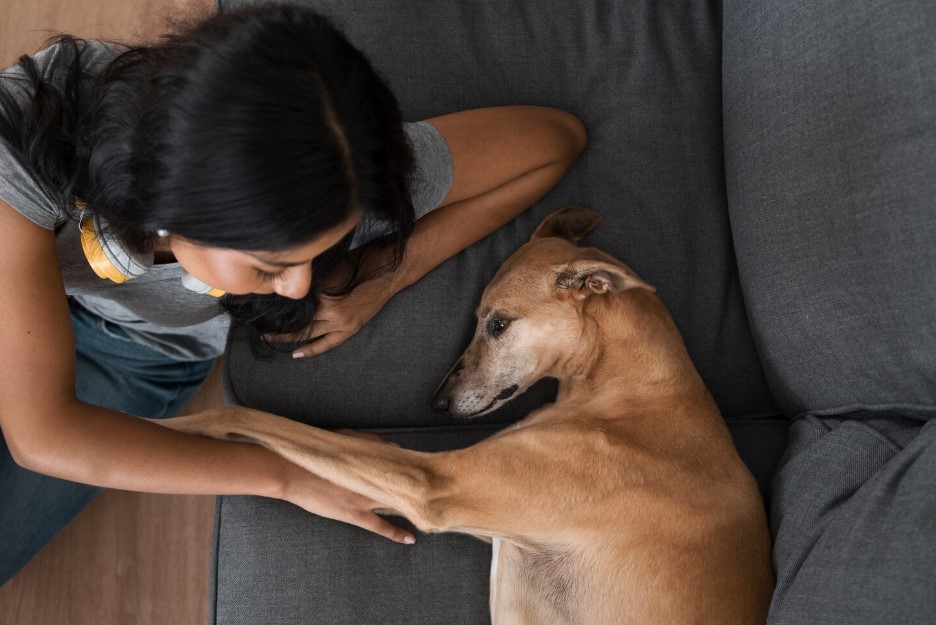
Separation anxiety occurs when pets experience distress when they are separated from their owners or primary caregivers. While it can affect both dogs and cats, it is more commonly observed in dogs because they tend to form strong social bonds with their human companions.
In apartments, separation anxiety can sometimes become more noticeable because pets spend most of their time indoors. When an owner leaves for work or errands, the sudden quiet and lack of activity may trigger feelings of loneliness or insecurity for the animal.
For many pets, especially those adopted from shelters or those that have experienced previous abandonment, being left alone can cause fear and confusion. This emotional response may lead to behaviours that signal distress.
Common Signs of Separation Anxiety
Recognising the signs of separation anxiety is the first step in helping your pet manage it. Some pets show clear behavioural changes when their owners prepare to leave or shortly after they depart.
Common symptoms include excessive barking, whining, or howling when left alone. Dogs with separation anxiety may scratch doors, chew furniture, or attempt to escape from confined spaces. These behaviours are often attempts to reunite with their owners.
Cats may show different signs, such as excessive meowing, destructive scratching, or refusing to eat when alone. Some pets may also have accidents inside the apartment despite being house-trained.
In many cases, these behaviours occur shortly after the owner leaves and stop once the owner returns.
Why Apartment Pets May Be More Vulnerable
Apartment pets can sometimes be more sensitive to separation anxiety because they rely heavily on their owners for stimulation and activity. Unlike pets in homes with large yards or outdoor spaces, apartment pets may have fewer opportunities to entertain themselves independently.
Additionally, apartment environments are typically quieter when owners leave. The sudden change from a lively home to an empty space can trigger feelings of abandonment for some pets.
Dogs that are highly social or energetic breeds may find it especially difficult to adjust to long periods alone indoors.
Creating a Comfortable Environment
Helping pets feel safe and comfortable while alone is one of the most effective ways to reduce separation anxiety. Creating a consistent routine can give pets a sense of stability and predictability.
Providing toys, puzzle feeders, or interactive games can help keep pets mentally stimulated while their owners are away. These activities encourage pets to focus on play rather than worry.
Leaving background noise, such as soft music or television, can also help create a sense of presence within the apartment. Some pets find comfort in familiar sounds that mimic everyday household activities.
Comfort items such as blankets, beds, or clothing with the owner’s scent can also help pets feel secure.
Gradual Training and Desensitisation
Another helpful approach to managing separation anxiety is gradual training. Instead of leaving pets alone for long periods immediately, owners can slowly build up their tolerance to short absences.
Start by leaving the apartment for just a few minutes and gradually increase the duration over time. This teaches pets that their owners will always return, reducing fear associated with departures.
Avoid making departures or arrivals overly dramatic. Calm exits and greetings help prevent pets from associating leaving or returning with heightened emotional responses.
Over time, pets learn that being alone is a normal and temporary part of daily life.
Exercise and Mental Stimulation
Regular exercise plays a significant role in reducing anxiety in pets. Dogs that receive sufficient physical activity are often more relaxed and likely to rest when left alone.
Daily walks, play sessions, and visits to nearby parks can help release energy and improve overall mood. Mental stimulation is equally important, particularly for intelligent or high-energy breeds.
Training exercises, scent games, and puzzle toys can provide the mental engagement pets need to stay calm and content.
The Importance of Pet-Friendly Living Spaces
Choosing the right living environment can also influence how well pets adapt to apartment life. Many modern buildings now recognize the needs of pet owners and offer facilities that support animals living in urban settings.
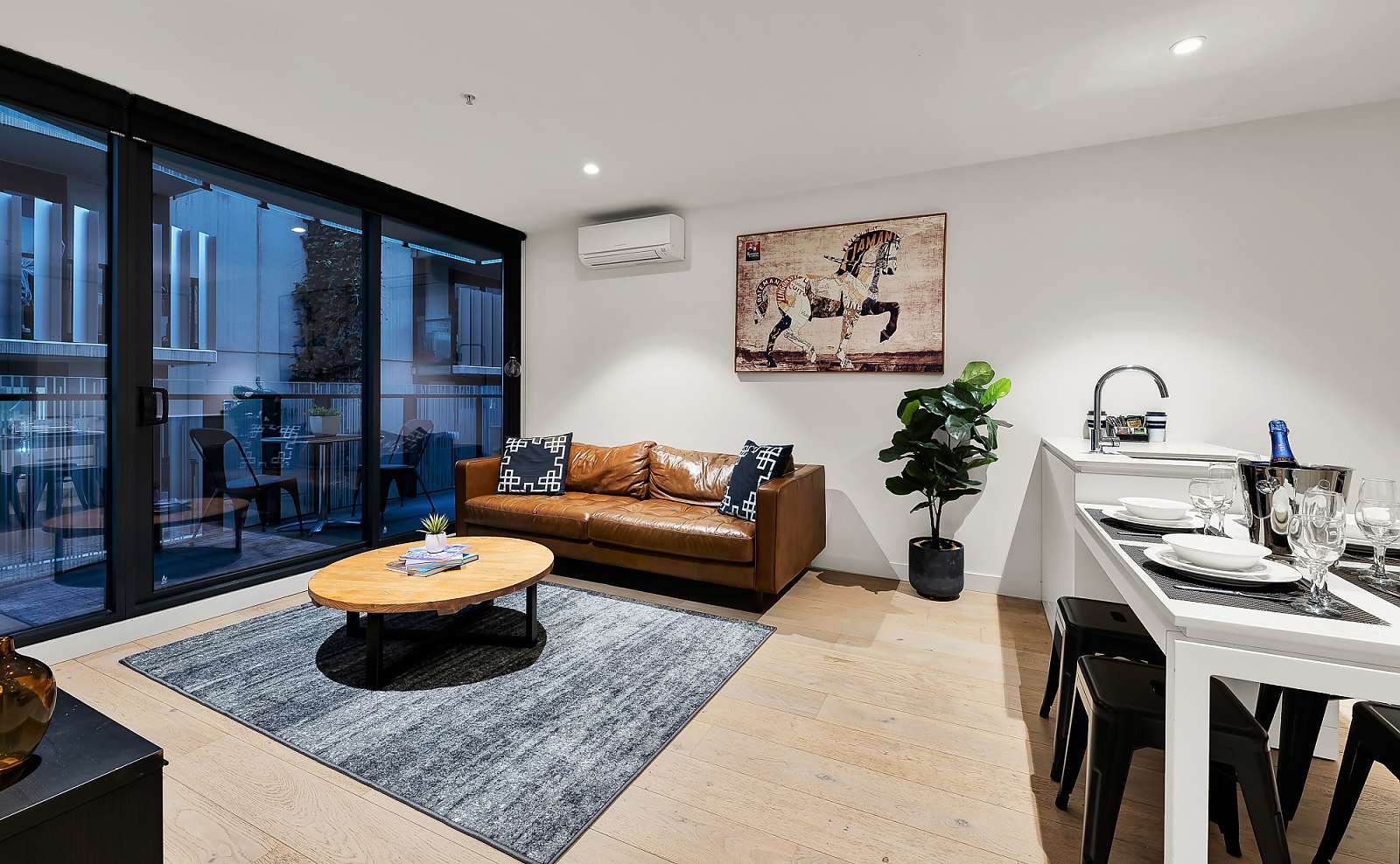
Access to nearby parks, walking paths, and communal areas can make a significant difference for pet owners managing their pets’ exercise and social needs. This is why many residents actively seek pet-friendly accommodation, where policies and amenities support responsible pet ownership and provide a more comfortable environment for both pets and their owners.
Such accommodations can make daily routines easier and help pets feel more relaxed in their surroundings.
When Professional Help May Be Needed
In some cases, separation anxiety can become severe and require professional guidance. Veterinarians, animal behaviourists, or certified dog trainers can help develop specialised training programs to address anxiety-related behaviours.
These professionals may recommend behaviour modification strategies or calming techniques tailored to the specific needs of the pet.
Early intervention can prevent anxiety from escalating and help pets develop healthier coping mechanisms.
Final Thoughts
Separation anxiety is a common challenge for many apartment pets, but with patience, understanding, and proper preparation, it can be managed successfully. Recognising the signs early and providing a supportive environment can make a significant difference in your pet’s emotional well-being.
By establishing consistent routines, offering stimulating activities, and creating a comfortable living space, pet owners can help their animals feel secure even when they are away. With the right approach, apartment pets can thrive and enjoy a calm, balanced lifestyle alongside their human companions.