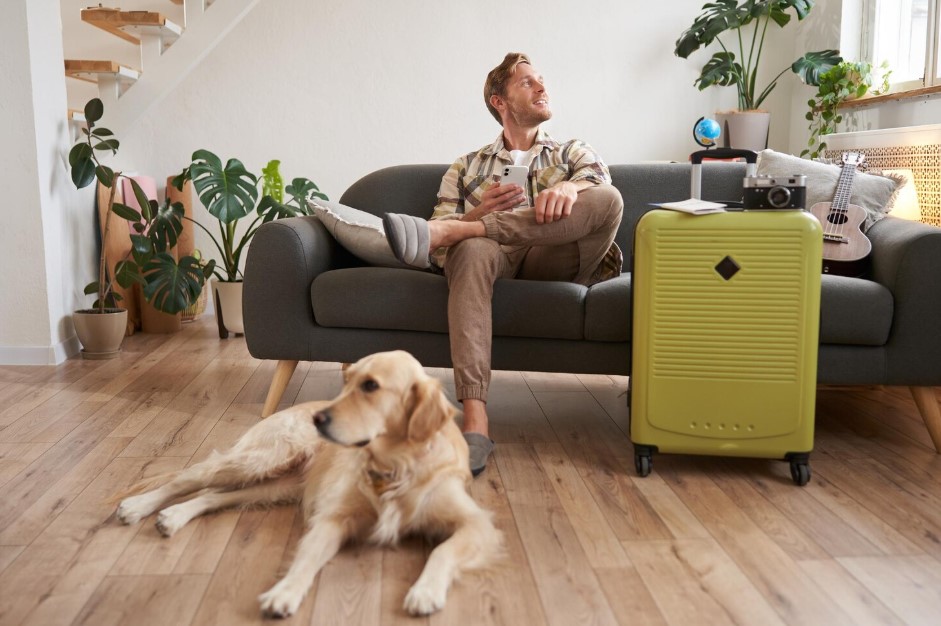
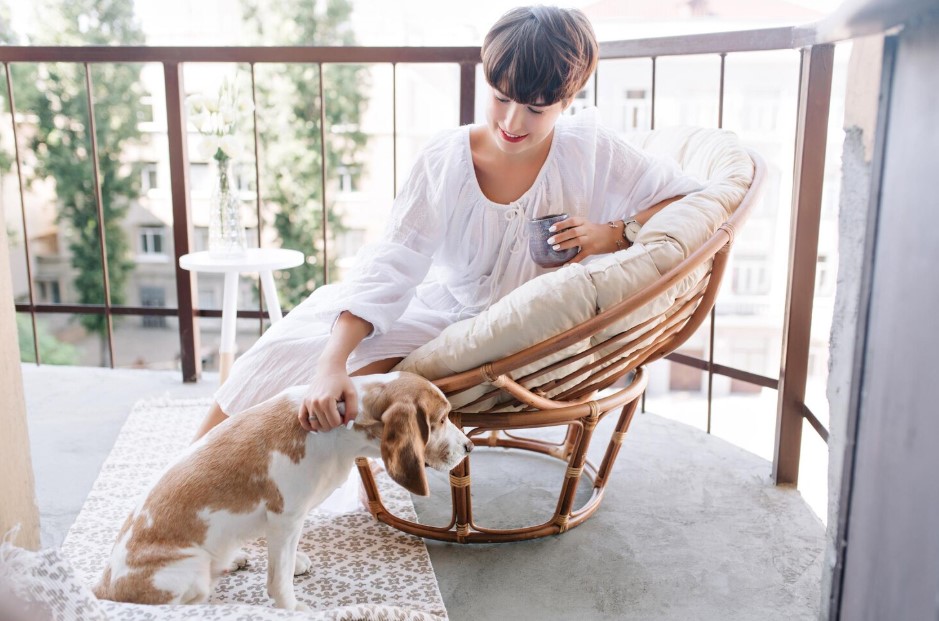
Living in a small apartment doesn’t mean compromising your pet’s happiness. With thoughtful planning, consistent routines, and a focus on both physical and emotional needs, pets can thrive just as much in compact spaces as they do in larger homes. In fact, apartment living can strengthen the bond between pets and owners, as it often encourages more interaction and shared time.
Here are practical and effective tips to keep your pets happy, healthy, and well-adjusted in smaller living environments.
Create a Dedicated Pet Zone
Even in limited space, pets need a place they can call their own. Setting up a cozy corner with a bed, toys, and water helps them feel secure and reduces stress. A defined space also keeps your apartment organised and prevents clutter.
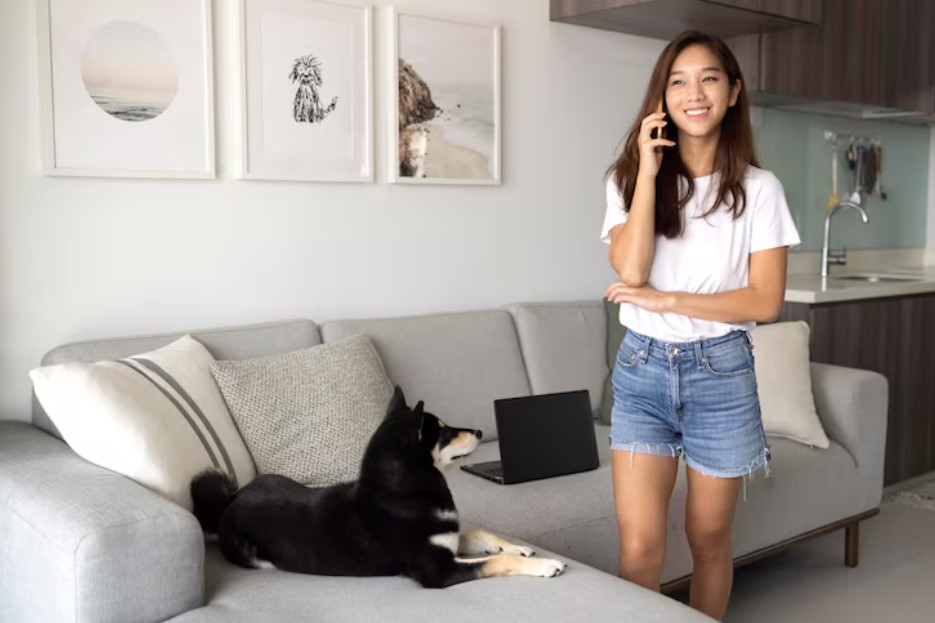
For cats, vertical space is especially valuable. Adding shelves or a cat tree allows them to climb and observe their surroundings, which supports their natural instincts. Dogs, on the other hand, benefit from soft resting areas near windows where they can relax and watch outside activity.
A designated area gives pets a sense of territory—something that’s crucial in smaller homes.
Maintain a Consistent Routine
Routine is one of the most important factors in a pet’s wellbeing. Feeding, walking, and playtime should happen at consistent times each day. This predictability helps reduce anxiety and creates a sense of stability.
Pets, especially dogs, feel more secure when they know what to expect. A structured schedule also helps with behaviour, reducing issues like barking, restlessness, or accidents indoors.
Even simple routines—morning walks, evening play sessions, and regular feeding—can make a significant difference in your pet’s mood and overall happiness.
Prioritise Exercise and Mental Stimulation
One of the biggest challenges in small apartments is ensuring pets get enough exercise. Without a backyard, it’s essential to be creative.
For dogs:
- Take multiple short walks throughout the day
- Use nearby parks or walking tracks
- Incorporate playtime indoors with soft toys
For cats:
- Use interactive toys like feather wands or laser pointers
- Schedule short but frequent play sessions
Mental stimulation is just as important as physical activity. Puzzle feeders and interactive toys can keep pets engaged and prevent boredom. A mentally stimulated pet is calmer and less likely to develop destructive behaviours.
Maximise Space with Smart Design
Small apartments require smart use of space. Vertical and multi-functional solutions can make a big difference.
Consider:
- Wall-mounted shelves for cats
- Storage furniture for pet supplies
- Foldable beds or crates
Using vertical space allows pets to explore and move without taking up valuable floor area. It also helps create a more dynamic and stimulating environment.
Let in Fresh Air and Natural Light
Natural light and fresh air are essential for both pets and humans. Position your pet’s bed near a window where they can enjoy sunlight and observe the outside world.
If you have a balcony, ensure it is secure and pet-safe before allowing access. Fresh air and sunshine can improve mood, reduce stress, and support overall health.
Keep the Space Clean and Comfortable
Cleanliness is especially important in small apartments. Pet hair, odours, and clutter can quickly build up in confined spaces.
To maintain a fresh environment:
- Vacuum regularly
- Wash bedding and toys
- Use air purifiers if needed
A clean space not only benefits your home but also contributes to your pet’s comfort and health.
Understand Your Pet’s Unique Needs
Every pet is different. Some are energetic and require constant stimulation, while others are more relaxed and adaptable.
Take time to observe:
- Where your pet prefers to rest
- What activities do they enjoy
- What triggers stress or anxiety
Understanding these behaviours helps you create a living space that suits their personality and needs.
Support Emotional Wellbeing
Pets play a powerful role in emotional health—and the feeling is mutual. In smaller living spaces, pets often provide companionship, reduce loneliness, and bring a sense of comfort.
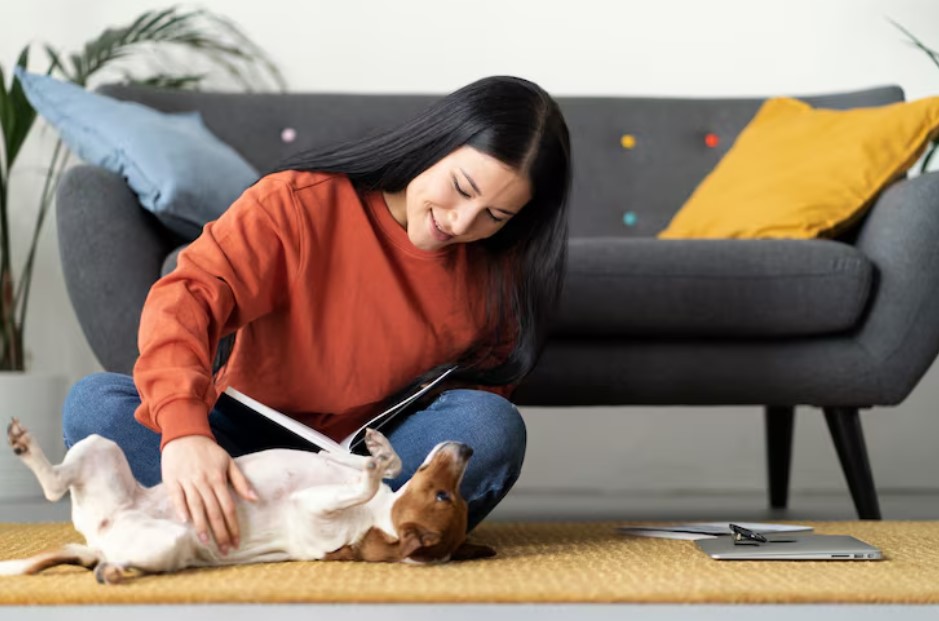
Simple interactions like petting, playing, or even just being near your pet can create a calming effect and strengthen your bond.
Ensuring your pet feels loved, engaged, and secure is just as important as meeting their physical needs.
Choose the Right Living Environment
Not all apartments are created equal when it comes to pets. Choosing pet-friendly accommodation can significantly impact your pet’s happiness and your overall experience as an owner.
Look for features such as:
- Nearby parks or walking areas
- Pet-friendly policies and amenities
- Adequate space and ventilation
Many modern accommodations are designed with pets in mind, making it easier to balance urban living with pet ownership.
Final Thoughts
Keeping pets happy in small apartments is all about balance—between space and stimulation, routine and flexibility, and physical and emotional care.
With the right approach, even the smallest apartment can become a comfortable and enriching home for your pet. By focusing on routine, exercise, smart design, and a supportive environment, you can ensure your furry companion not only adapts—but thrives.
After all, a happy pet doesn’t depend on the size of the space—it depends on the quality of care, attention, and love they receive every day.