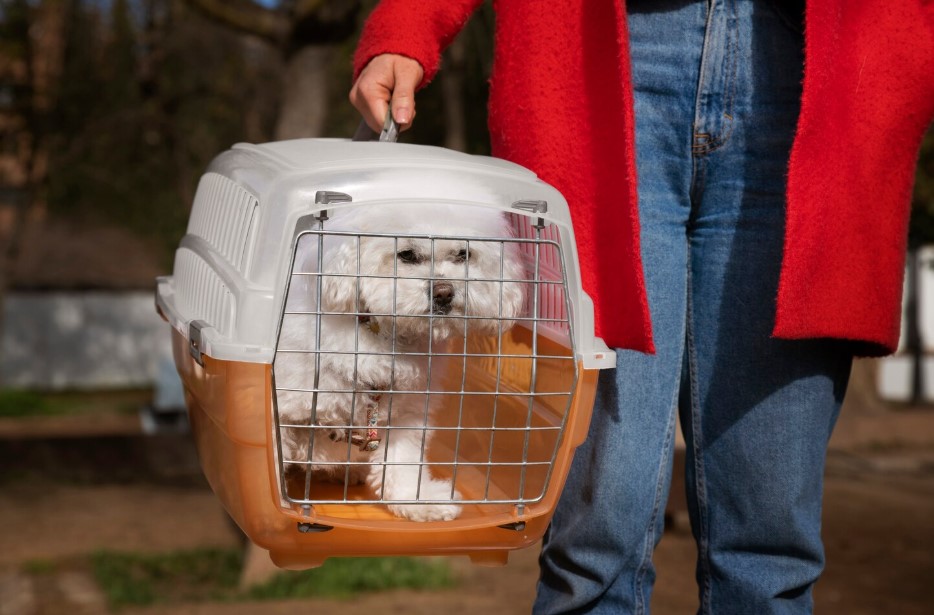
Apartment living doesn’t mean sacrificing a happy and fulfilling life for your pet. With thoughtful planning, the right environment, and a little creativity, even small spaces can become a haven for your furry companions. Whether you have a playful dog or a curious cat, making apartment living work is all about maximising space, maintaining routine, and creating a pet-friendly atmosphere.
Understanding Your Pet’s Needs
Every pet has unique needs depending on their breed, size, and personality. While some animals adapt easily to smaller spaces, others may require more stimulation and exercise. High-energy dogs, for example, need regular outdoor activities, while cats often thrive indoors with the right enrichment.
Recognising these needs is the first step in ensuring your pet remains happy and healthy. It’s not about the size of your home—it’s about how well you use it to support your pet’s lifestyle.
Maximising Space with Smart Design
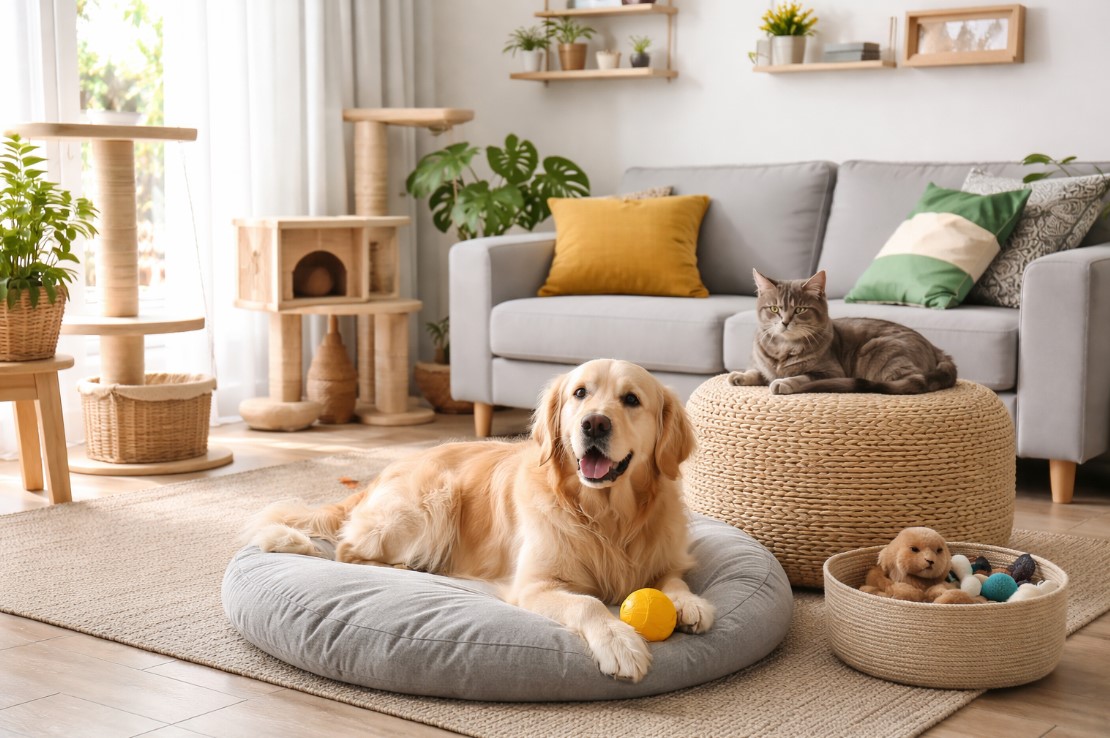
In apartments, space is limited, so functionality becomes key. Multi-purpose furniture can make a significant difference. Consider pet beds that double as storage units or wall-mounted shelves for cats to climb and explore vertically.
Creating designated zones for your pet—such as a sleeping area, feeding station, and play corner—helps establish structure and prevents clutter. Keeping these areas consistent also gives your pet a sense of familiarity and security.
Vertical space is especially valuable for cats. Installing cat trees or wall perches allows them to exercise and observe their surroundings without taking up floor space. For dogs, a comfortable corner with their bed and toys can serve as a relaxing retreat.
Keeping Pets Active Indoors
One of the biggest challenges of apartment living is ensuring pets get enough exercise. Regular walks are essential for dogs, but indoor activities can also help burn off energy.
Interactive toys, puzzle feeders, and short training sessions keep pets mentally engaged. Playing games like fetch in a hallway or teaching new tricks can provide both physical and mental stimulation.
Cats benefit from toys that mimic prey, such as feather wands or laser pointers. Rotating toys regularly can keep them interesting and prevent boredom.
Maintaining a Consistent Routine
Pets thrive on routine, especially in smaller living environments. Feeding, walking, and playtime should occur at consistent times each day. This predictability reduces anxiety and helps pets feel secure.
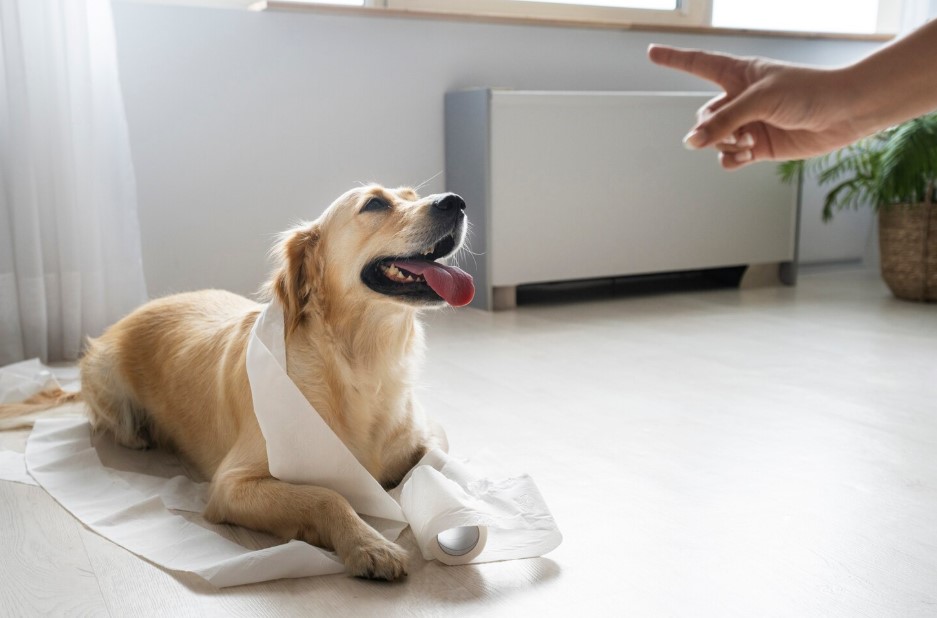
For apartment dwellers, routine is also important for managing noise and behaviour. A well-exercised pet is less likely to develop issues such as excessive barking or destructive habits.
Managing Noise and Neighbours
Living close to others means being mindful of noise levels. Training your pet to remain calm when hearing external sounds—such as footsteps in hallways or elevators—can help reduce disturbances.
Soft furnishings like rugs, curtains, and cushions can absorb sound and create a quieter environment. Background noise, such as a fan or music, can also help mask sudden sounds that might trigger barking.
Socialising your pet with different sounds and environments early on can make them more adaptable and less reactive in apartment settings.
Creating a Safe and Comfortable Environment
Safety is essential in any home, but especially in apartments where space is shared. Ensure balconies are secure, cords are out of reach, and potentially harmful items are stored safely.
Comfort also plays a big role in your pet’s happiness. Provide cozy bedding, access to natural light, and a space where your pet can relax undisturbed. Even small touches—like placing their bed near a window—can make a big difference.
The Role of Outdoor Access
Even in apartments, access to outdoor spaces is important. Nearby parks, walking trails, or pet-friendly communal areas give pets the opportunity to explore and exercise.
Regular outdoor time helps reduce stress, improves physical health, and provides essential stimulation. For busy owners, scheduling daily walks or playtime outdoors is a must.
Choosing the Right Living Space
When selecting a place to live, pet owners should consider how well the property accommodates animals. Many modern pet-friendly accommodations in Melbourne are designed with pets in mind, offering features such as secure balconies, nearby green spaces, and flexible pet policies.
These accommodations not only make life easier for pet owners but also contribute to a more comfortable and stress-free environment for pets. Having access to pet-friendly amenities and supportive building policies can greatly enhance your overall living experience.
Building a Strong Bond
Apartment living often means spending more time in close quarters with your pet, which can strengthen your bond. Regular interaction, play, and training help build trust and understanding.
Positive reinforcement, patience, and consistency go a long way in shaping good behaviour. The more connected your pet feels to you, the more confident and relaxed they will be in their environment.
Final Thoughts
Small spaces don’t have to limit your pet’s happiness. With the right approach, apartment living can be just as enriching as a larger home. By focusing on your pet’s needs, creating a structured environment, and making smart use of available space, you can ensure they live a comfortable and fulfilling life.
Ultimately, it’s not about how big your space is—it’s about how you use it. With care, attention, and thoughtful planning, you can turn any apartment into a happy home for both you and your pet.