Living in an apartment with a dog can be a wonderful experience, but managing noise is one of the challenges pet owners may face. Unlike houses with spacious backyards, apartments often have shared walls, hallways, and common areas where sounds can easily travel between neighbouring homes.
Dogs naturally communicate through barking, whining, and other vocalisations. However, excessive noise can disturb neighbours and sometimes indicate that a dog is experiencing boredom, anxiety, or discomfort.
Fortunately, there are several practical ways to minimise noise while keeping your furry companion happy and comfortable.
1. Understand Why Your Dog Barks
Before trying to reduce barking, it is important to understand what causes it.
Dogs bark for various reasons, including excitement, fear, boredom, territorial behaviour, or separation-related distress. Some dogs become particularly vocal when they hear footsteps in hallways, unfamiliar voices, or other animals nearby.
Observe when your dog barks and identify possible triggers. For example, barking near the front door may indicate sensitivity to hallway noises, while barking when left alone could suggest separation-related difficulties.
Understanding the underlying cause makes it easier to choose an appropriate solution rather than simply trying to stop the behaviour.
2. Create a Quiet and Comfortable Space
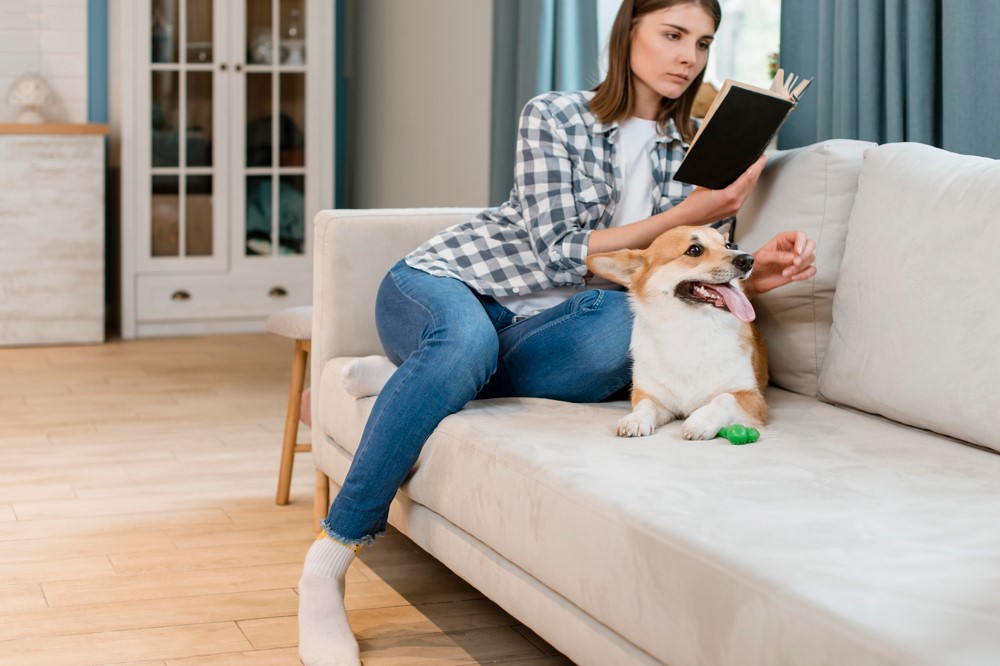
Providing a designated resting area can help your dog feel secure, particularly in a busy apartment building.
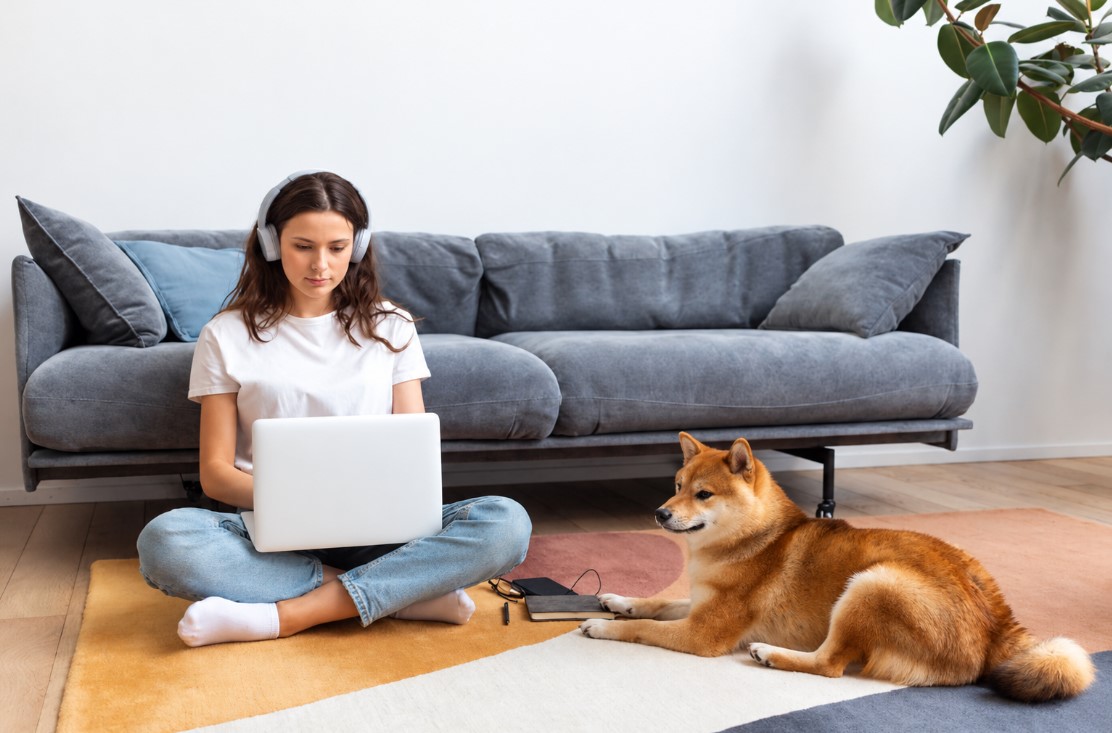
Choose a quiet corner away from the front door, shared walls, and frequently used walkways. Add comfortable bedding, familiar toys, and other items that help your dog relax.
Thick rugs, curtains, and upholstered furniture can also absorb some indoor sounds, reducing echoes and noise transmission.
For dogs sensitive to external noises, playing soft background music or using a white-noise machine at a comfortable volume may help mask sudden sounds.
The goal is to create a peaceful environment where your pet can rest without constantly reacting to surrounding activity.
3. Maintain a Consistent Exercise Routine
A dog that receives sufficient physical activity and mental stimulation may be less likely to develop boredom-related barking.
Regular walks, playtime, and interactive activities help dogs release energy while supporting their physical and emotional wellbeing.
For those moving to Melbourne with pets, choosing an apartment near parks, walking trails, and pet-friendly recreational areas can make maintaining an exercise routine easier. Neighbourhoods such as Port Melbourne, St Kilda, and Caulfield North offer access to outdoor spaces where dogs can enjoy daily walks and explore new surroundings. Having convenient exercise options nearby can be particularly helpful when adjusting to apartment living.
Remember that exercise requirements vary depending on your dog's age, breed, health, and energy level.
4. Use Positive Reinforcement Training
Positive reinforcement is an effective approach to encouraging quieter behaviour.
Instead of shouting when your dog barks, reward moments of calmness with treats, praise, or affection.
You can also teach your dog to respond to a simple cue, such as "quiet," by rewarding it when it stops barking.
Training sessions should remain short, consistent, and enjoyable. Avoid punishment-based techniques, as these can increase fear or anxiety and potentially worsen unwanted behaviours.
If barking becomes difficult to manage, consider consulting a qualified dog trainer who uses reward-based methods.
5. Reduce Noise from Floors and Furniture
Barking is not the only source of noise in apartments. Dogs running across hard floors, jumping from furniture, or playing with heavy toys can create sounds that travel to neighbouring units.
Placing rugs or carpet runners in frequently used areas can help reduce the impact of paws on hard surfaces.
Consider providing soft toys instead of heavy objects that may create loud noises when dropped.
Keeping your dog's nails appropriately trimmed can also reduce clicking sounds on timber or tiled flooring.
These simple adjustments can make your apartment quieter without restricting your dog's natural movements.
6. Help Your Dog Feel Comfortable When Alone
Some dogs become distressed when separated from their owners, resulting in barking, whining, or destructive behaviour.
Gradually helping your dog become comfortable with short periods alone may reduce separation-related noise.
Start with manageable absences and provide suitable enrichment activities, such as food puzzles or safe chew toys.
Avoid leaving your dog alone for longer than it can comfortably tolerate.
If your pet displays persistent distress, excessive vocalisation, or destructive behaviour when alone, seek advice from a veterinarian or qualified animal behaviour professional.
Addressing the emotional cause is more effective than simply attempting to suppress the noise.
7. Respect Apartment Rules and Your Neighbours
Maintaining positive relationships with neighbours is an important part of responsible apartment living.
Familiarise yourself with building regulations regarding pets, noise, and shared facilities.
Keep dogs on leads in common areas where required, and avoid noisy play sessions during early mornings or late evenings.
If a neighbour raises concerns about barking, respond respectfully and investigate possible solutions.
Open communication and responsible pet ownership can help create a comfortable living environment for everyone.
Creating a Peaceful Apartment for You and Your Dog
Apartment living does not have to mean constant noise or unhappy neighbours. With thoughtful planning, consistent training, and a comfortable home environment, dogs can adapt successfully to smaller living spaces.
Understanding your dog's behaviour, providing regular exercise, and addressing anxiety or boredom can significantly reduce unnecessary barking.
For pet owners relocating or enjoying an extended stay in Melbourne, choosing suitable pet-friendly accommodation can also make everyday routines easier.
Ultimately, creating a peaceful apartment is about balancing your dog's wellbeing with consideration for those living nearby. A calm, comfortable environment benefits not only your furry companion but also everyone who shares the building.