As apartment living becomes more common across Australian cities, more pet owners are raising dogs and cats in compact urban environments. While pets can adapt extremely well to indoor living, one growing concern among veterinarians and animal experts is the increasing risk of boredom, inactivity, and obesity among indoor pets. Without enough physical exercise and mental stimulation, pets can develop a range of health and behavioural problems that affect both their wellbeing and their quality of life.
Obesity has become one of the most common preventable health issues in household pets. According to veterinary experts, overweight pets face higher risks of diabetes, joint disease, heart conditions, breathing difficulties, and shortened lifespans. Indoor pets are particularly vulnerable because their daily activity levels may naturally be lower compared to animals living in larger outdoor environments.
However, apartment living itself is not the problem. Many pets thrive in apartments when owners create routines that support regular movement, mental engagement, and social interaction. In fact, indoor pets often benefit from closer companionship with their owners because they spend more time together in shared living spaces.
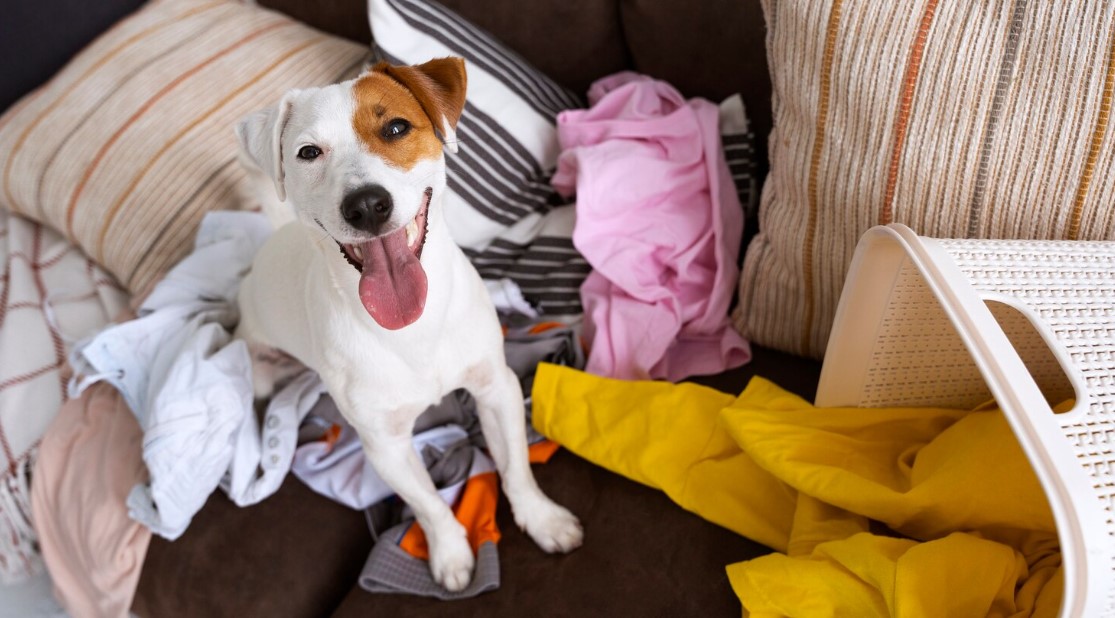
The key challenge for apartment pet owners is preventing inactivity and boredom before unhealthy habits develop. Pets that do not receive enough stimulation may begin displaying destructive behaviours such as chewing furniture, scratching walls, excessive barking, pacing, overeating, or anxiety-related habits. These behaviours are often signs that the animal is mentally under-stimulated rather than simply “misbehaving.”
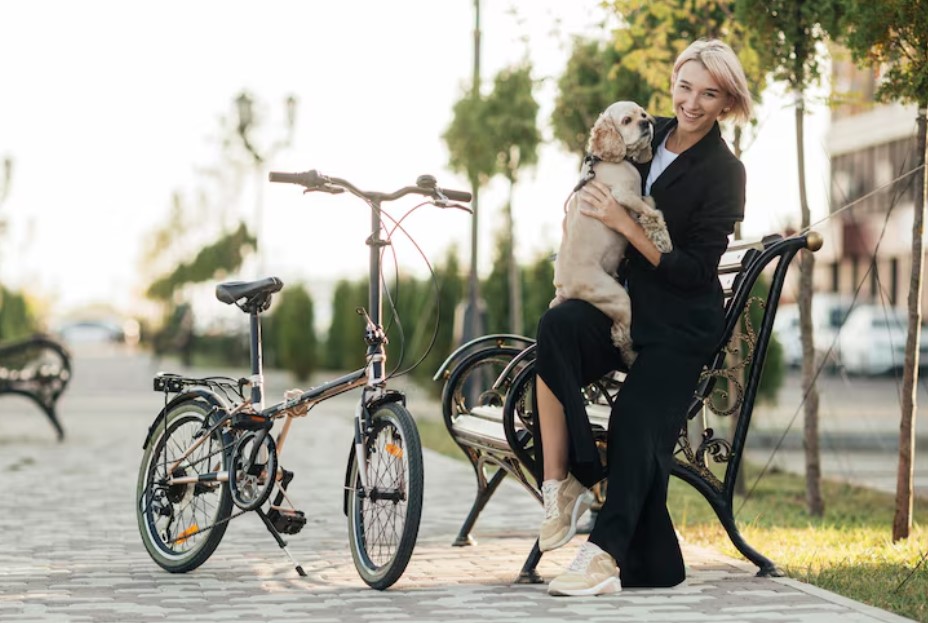
Daily exercise is one of the most important factors in maintaining healthy indoor pets. Dogs, in particular, require consistent walks and outdoor time to support both physical and emotional health. Regular walks provide exercise, socialisation, sensory stimulation, and opportunities to explore different environments. Even smaller dog breeds that adapt well to apartment living still benefit greatly from structured outdoor activity every day.
For apartment owners with busy schedules, shorter walks multiple times a day can often be more effective than a single long outing. Morning and evening walks also help establish routines that pets quickly become comfortable with. Nearby parks, walking trails, and pet-friendly public spaces can make urban pet ownership significantly easier and more enjoyable.
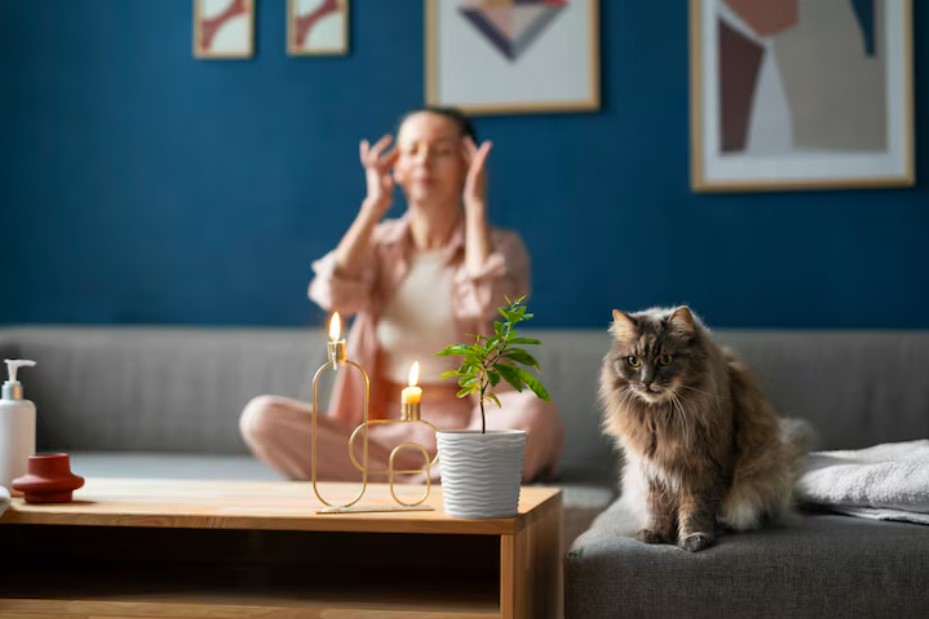
Cats also require physical and mental stimulation, despite their reputation for independence. Indoor cats that lack enrichment opportunities may become inactive and overweight over time. Climbing structures, scratching posts, interactive toys, window perches, and puzzle feeders can help encourage movement and natural behaviours inside apartments.
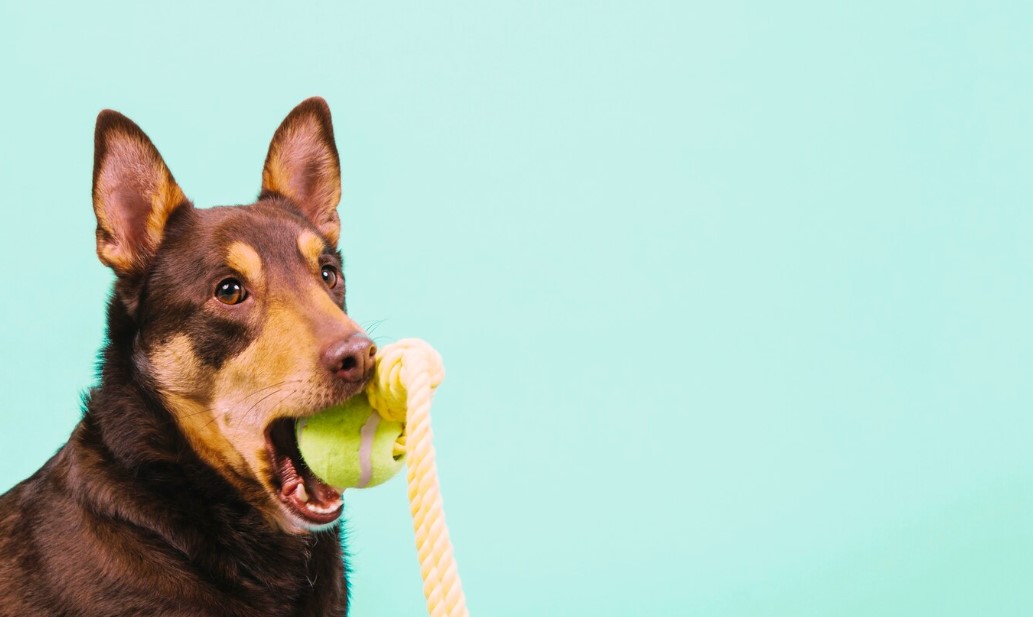
Mental stimulation is equally important as physical activity. Pets become bored when their environments never change or challenge them. Rotating toys, introducing scent games, using food puzzles, or teaching simple commands and tricks can keep animals mentally engaged. Even short play sessions throughout the day can provide valuable enrichment.
Interactive feeding methods are becoming increasingly popular among veterinarians and trainers because they encourage pets to “work” for their food rather than eating from bowls immediately. Slow feeders and puzzle toys can help reduce overeating while also improving mental stimulation.
Diet management is another essential factor in preventing obesity. Many owners unintentionally overfeed pets through excessive treats or incorrect portion sizes. Indoor pets often burn fewer calories than outdoor animals, meaning their nutritional needs may differ. Veterinarians commonly recommend measuring food portions carefully and limiting high-calorie treats to avoid gradual weight gain.
Human food can also contribute significantly to unhealthy weight gain in pets. While it may be tempting to share snacks or leftovers, many common foods are either unhealthy or toxic for animals. Maintaining a balanced, vet-approved diet is one of the simplest ways to support long-term pet health.
Technology has also introduced new ways to support healthier indoor pets. Automatic ball launchers, pet activity trackers, interactive cameras, and scheduled feeders are helping some owners manage exercise and routines more effectively. While these devices can be helpful, they should never replace direct interaction and companionship, which remain the most valuable parts of pet wellbeing.
Apartment design can also influence pet health. Access to natural light, ventilation, secure balconies, and open living spaces can improve comfort and reduce stress for indoor animals. Some modern residential developments now include pet-friendly facilities such as dog-wash stations, outdoor communal gardens, and nearby walking access to encourage active lifestyles.
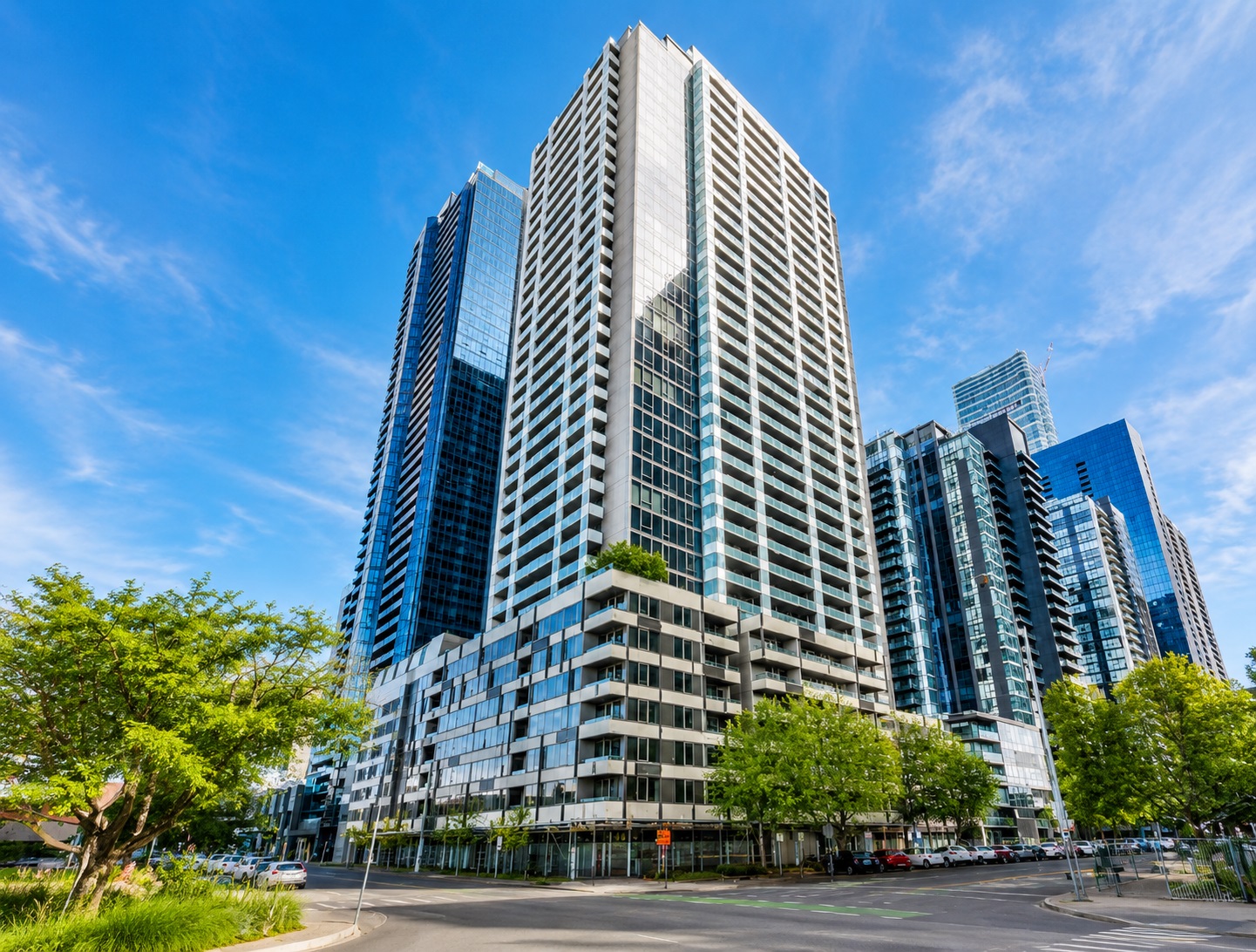
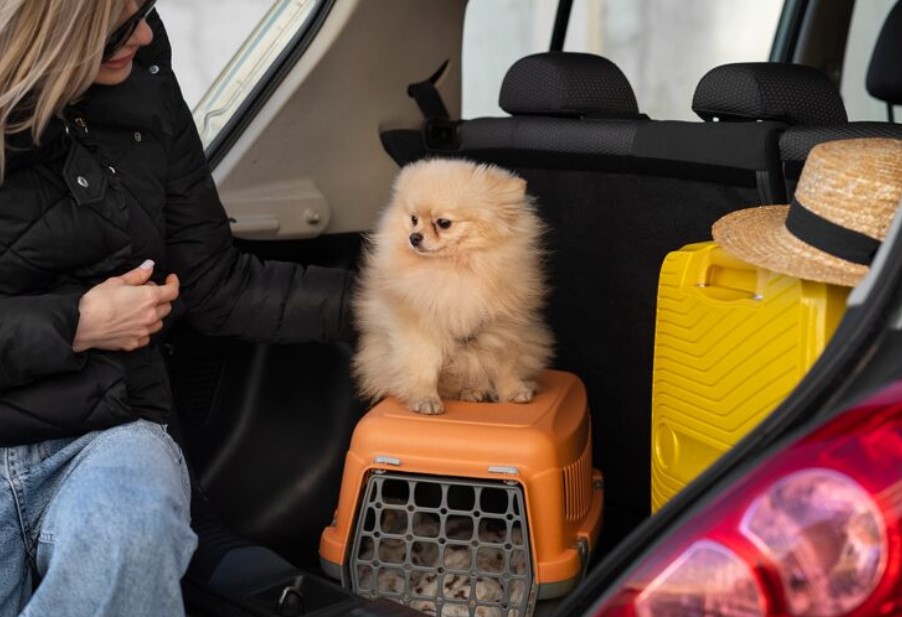
The growing popularity of pet-friendly serviced apartments in Melbourne reflects changing attitudes toward pets and urban living. More accommodation providers now recognise the importance of creating comfortable, flexible environments where pets can remain active and healthy alongside their owners. Features such as nearby parks, walking areas, pet-safe flooring, and spacious layouts are increasingly important for long-stay travellers and relocating professionals who bring pets with them.
Social interaction is another important part of preventing boredom and anxiety in indoor pets. Dogs, especially, benefit from meeting other animals and people during walks or visits to dog-friendly spaces. Socialisation helps reduce nervousness and improves confidence in urban environments. Cats may be less social by nature, but they still benefit from regular interaction and playtime with their owners.
Veterinarians also encourage routine health monitoring for indoor pets. Weight gain often happens gradually and may go unnoticed until health complications develop. Regular vet check-ups, weight tracking, and behavioural observation can help owners identify early warning signs before serious problems occur.
Importantly, preventing boredom and obesity does not require expensive products or large living spaces. Most pets simply need consistency, engagement, exercise, and attention. Apartment pets often form very strong bonds with their owners because of the close daily interaction that urban living encourages.
As more Australians continue embracing apartment lifestyles, awareness around indoor pet health is becoming increasingly important. Responsible pet ownership now extends beyond simply providing shelter and food — it involves creating environments that support emotional wellbeing, physical activity, and long-term health.
Ultimately, healthy indoor pets are the result of balanced routines, thoughtful care, and active companionship. With the right habits and environment, pets can enjoy happy, fulfilling lives in apartments while remaining physically fit, mentally stimulated, and emotionally secure.