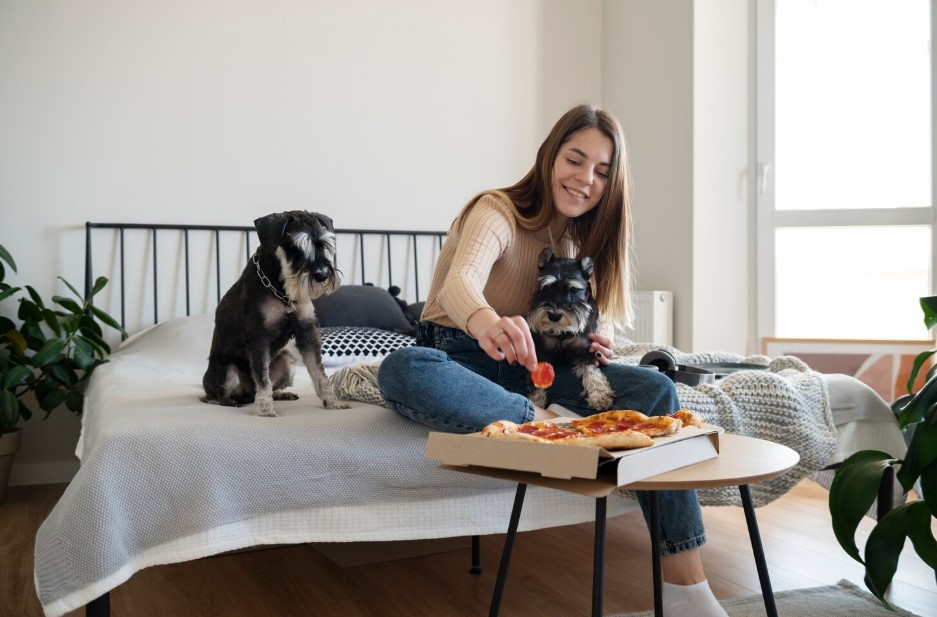
Living in an apartment with a dog can be incredibly rewarding, but excessive barking can quickly become a challenge—not only for you but also for your neighbours. Dogs bark as a natural form of communication, but when it becomes constant or disruptive, it’s important to understand the root cause and address it effectively. With the right approach, patience, and consistency, you can help your dog feel more secure and reduce unnecessary noise.
Understanding Why Dogs Bark
Before trying to stop excessive barking, it’s essential to identify why your dog is barking in the first place. Common reasons include boredom, anxiety, territorial behaviour, attention-seeking, or reacting to external stimuli like noises in the hallway or passing pedestrians.
In apartment settings, dogs are often exposed to unfamiliar sounds—elevators, footsteps, or nearby conversations—which can trigger barking. Separation anxiety is also a major factor, especially for dogs left alone for long periods. Understanding the “why” behind the behaviour allows you to choose the most effective solution.
Provide Enough Physical and Mental Stimulation
One of the most common causes of excessive barking is pent-up energy. Dogs that don’t get enough exercise are more likely to bark out of frustration or boredom. Daily walks, playtime, and interactive toys can significantly reduce this behaviour.
Mental stimulation is just as important as physical exercise. Puzzle toys, treat-dispensing games, and basic training sessions keep your dog engaged and less likely to bark unnecessarily. Even short training sessions throughout the day can make a noticeable difference.
Establish a Consistent Routine
Dogs thrive on routine. Feeding, walking, and playtime should occur at roughly the same time each day. A predictable schedule helps reduce anxiety and gives your dog a sense of security.
When your dog knows what to expect, they are less likely to bark out of stress or confusion. For apartment living, this consistency is especially important, as it helps your dog adapt to a smaller, shared environment.
Address Separation Anxiety
If your dog barks excessively when left alone, separation anxiety may be the cause. Start by gradually increasing the amount of time your dog spends alone. Leave for short periods and slowly extend the duration as your dog becomes more comfortable.
Creating a safe and comfortable space can also help. Leave behind familiar items like blankets or toys, and consider using calming aids such as white noise or pet-safe diffusers. Avoid making a big fuss when leaving or returning home, as this can heighten anxiety.
Manage Environmental Triggers
Apartment dogs are often exposed to constant noise and movement. Identifying and minimising triggers can significantly reduce barking. For example, if your dog barks at people passing by the window, consider using curtains or window film to limit visibility.
Background noise, such as soft music or a television, can help mask sudden sounds that might trigger barking. Training your dog to remain calm when hearing these noises is also effective over time.
Use Positive Reinforcement Training
Training is one of the most effective ways to control excessive barking. Instead of punishing your dog for barking, reward them for being quiet. When your dog stops barking on command or remains calm in a triggering situation, immediately offer praise or a treat.
Teaching commands like “quiet” or “enough” can be very helpful. Start by allowing your dog to bark once or twice, then calmly give the command and reward them when they stop. Consistency is key—everyone in the household should use the same commands and approach.
Avoid Reinforcing the Behaviour
Sometimes, dog owners unintentionally reinforce barking. For example, if your dog barks for attention and you respond by talking to or petting them, they learn that barking gets results.
Instead, wait until your dog is calm before giving attention. This teaches them that quiet behaviour is what earns rewards.
Consider Professional Help if Needed
If your dog’s barking is persistent and difficult to manage, seeking help from a professional dog trainer or behaviourist can be a worthwhile investment. They can assess your dog’s specific needs and create a tailored training plan.
Apartment Living and Pet-Friendly Options
Choosing the right living environment also plays a role in managing your dog’s behaviour. Many modern pet-friendly accommodations in Melbourne are designed with both pets and owners in mind. These spaces often feature better sound insulation, pet-friendly policies, and nearby parks or walking areas, all of which can help reduce stress and barking triggers for dogs.
For pet owners who travel or require temporary housing, opting for accommodations that welcome pets can make a significant difference in maintaining your dog’s routine and comfort. A supportive environment helps your dog feel secure, which naturally leads to calmer behaviour.
Final Thoughts
Excessive barking in apartment dogs is a common issue, but it’s one that can be managed with understanding, training, and consistency. By identifying the root cause, providing adequate exercise and stimulation, and using positive reinforcement techniques, you can create a more peaceful living environment for both you and your neighbours.
Remember, patience is essential. Behavioural changes take time, but with the right approach, your dog can learn to feel more relaxed and less reactive in an apartment setting. A quieter home is not only possible—it’s achievable with the right care and commitment.