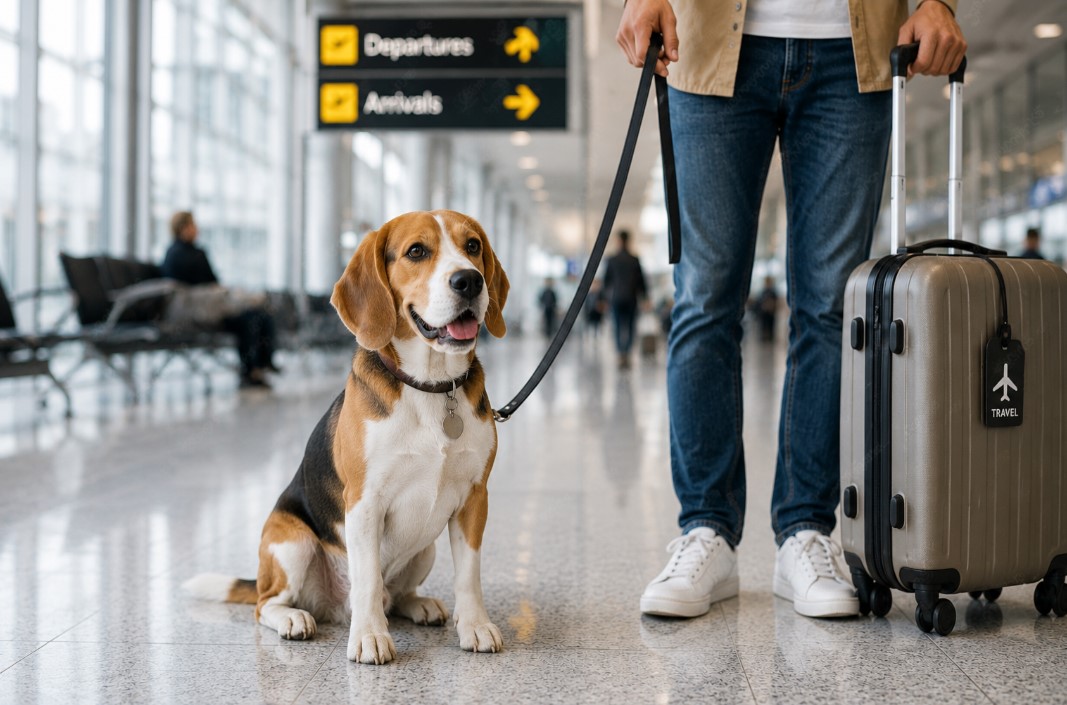
Travelling with pets has become increasingly common as more people choose to include their furry companions in holidays, relocations, and extended stays. Whether you're moving interstate, planning a family vacation, or travelling for work, flying with your pet requires careful preparation to ensure their journey is as safe and comfortable as possible.
Unlike travelling by car, air travel involves airline regulations, health requirements, approved travel crates, and careful planning well before departure. Understanding what to expect can help reduce stress for both you and your pet while ensuring a smoother travel experience from check-in to arrival.
Research Airline Policies Early
Every airline has its own pet travel policies, and these can differ significantly depending on the destination and type of animal.
Some airlines allow small pets to travel under specific conditions, while others transport animals exclusively in climate-controlled cargo areas. There may also be restrictions based on breed, age, health condition, seasonal temperatures, or flight duration.
Booking early is important because airlines often limit the number of pets permitted on each flight.
Always review the airline's latest pet travel guidelines before making reservations.
Visit Your Veterinarian Before Travelling
A pre-flight health check is one of the most important preparations.
Your veterinarian can assess whether your pet is fit to fly, update vaccinations if necessary, and provide any documentation required by airlines or state authorities. This appointment also provides an opportunity to discuss anxiety management, hydration, feeding schedules, and any existing medical conditions.
Microchip details should also be current, and identification tags should include your contact information at both your departure and destination.
Choose the Right Travel Crate
A quality airline-approved travel crate is essential for your pet's comfort and safety.
The crate should allow your pet to stand naturally, turn around comfortably, and lie down without restriction. Adequate ventilation, secure locking mechanisms, and leak-proof flooring are standard requirements for most airlines.
Introducing the crate several weeks before travel helps your pet become familiar with it. Encourage positive associations by placing treats, favourite toys, or bedding inside during practice sessions.
A familiar environment significantly reduces travel anxiety.
Avoid Major Changes Before Departure
Pets are creatures of habit, so maintaining their normal routine before travelling helps minimise stress.
Continue regular feeding, exercise, and sleeping schedules whenever possible. Avoid introducing new foods immediately before the flight, as dietary changes may upset your pet's stomach during travel.
Exercise your dog before leaving for the airport to help release excess energy and encourage relaxation during the journey.
Pack a Pet Travel Kit
Preparing a dedicated travel bag makes the journey much easier.
Include:
- Food and treats
- Portable water bowl
- Lead or harness
- Waste bags
- Favourite toy
- Blanket or familiar bedding
- Copies of veterinary documents
- Any required medication
Keeping these essentials easily accessible allows you to respond quickly if delays occur.
Should Pets Be Sedated?
Most veterinarians do not recommend sedating pets before flying unless specifically advised for medical reasons.
Sedatives may affect balance, breathing, blood pressure, and body temperature during air travel, particularly when transported in cargo compartments.
Instead, focus on crate training, familiar scents, exercise, and maintaining a calm environment before departure.
If your pet experiences severe anxiety, discuss alternative management strategies with your veterinarian well before travel.
Arrive Early at the Airport
Travelling with pets generally requires additional check-in procedures.
Allow extra time for documentation checks, crate inspections, and airline processing. Arriving early reduces unnecessary stress and provides enough time to address unexpected issues without rushing.
Double-check that your crate is clearly labelled with your name, destination address, emergency contact information, and feeding instructions if required.
Prepare for Arrival
After landing, allow your pet time to adjust gradually.
Offer fresh water, provide an opportunity for toilet breaks, and avoid overwhelming them with excessive activity immediately after travel. Some pets may need several hours—or even a day—to settle into unfamiliar surroundings.
Maintaining familiar routines during the first few days helps your companion adapt more comfortably.
Pet-Friendly Apartments in Melbourne Make Extended Stays Easier
Travellers relocating or planning longer visits often benefit from choosing pet-friendly apartments in Melbourne. These accommodations offer greater flexibility than many traditional hotels, giving pets more room to move, relax, and settle into a familiar routine. Features such as fully equipped kitchens, spacious living areas, nearby parks, and convenient walking paths make apartment accommodation particularly suitable for families travelling with animals. Staying in pet-friendly accommodation also allows owners to maintain consistent feeding, exercise, and sleeping schedules, helping pets feel more secure in a new environment.
Choosing Pet-Friendly Airlines in Australia
Several pet-friendly airlines in Australia offer domestic pet transport services designed with animal welfare in mind. While policies vary, many airlines provide climate-controlled cargo compartments, trained ground staff, and dedicated procedures for handling companion animals safely throughout the journey. Before booking, compare carrier requirements regarding crate specifications, breed restrictions, seasonal travel limitations, health certificates, and booking deadlines. Selecting an airline with clear pet transport policies and experienced animal handling procedures can provide valuable peace of mind while ensuring your companion travels as comfortably as possible.
Helping Your Pet Adjust After Flying
Travel doesn't end when the plane lands.
Allow your pet time to explore their new surroundings gradually while providing plenty of reassurance. Keep meals light on the first day if necessary, encourage hydration, and maintain regular exercise according to your pet's energy level.
Watch for signs of stress such as excessive panting, hiding, reduced appetite, or unusual behaviour. Most pets recover quickly once they settle into familiar routines, especially when surrounded by familiar bedding, toys, and their owners.
Final Thoughts
Flying with your pet requires thoughtful preparation, but with careful planning, it can be a safe and positive experience. From selecting an airline-approved crate and scheduling a veterinary check-up to choosing suitable accommodation at your destination, every step contributes to your pet's comfort and wellbeing.
Whether you're relocating, taking an extended holiday, or travelling for work, planning ahead helps ensure your companion arrives safely and comfortably. With the right preparation and pet-friendly accommodation waiting at your destination, both you and your furry friend can begin your next adventure with confidence.