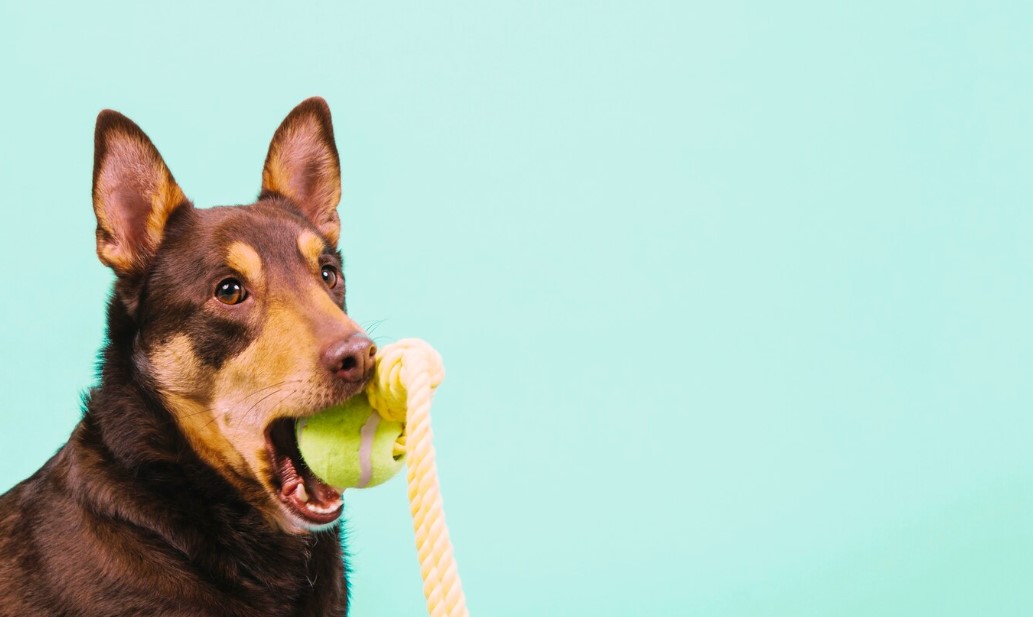
Australian veterinarian Dr Chris Brown has issued an urgent warning to dog owners about one of the most common toys found in parks and homes across the country — the humble tennis ball. While many pet owners see tennis balls as harmless fun, Dr Brown says the popular toy may actually be causing long-term dental damage in dogs.
The warning has sparked widespread discussion among pet owners, particularly those living in apartments and urban environments where fetch and indoor play are part of everyday pet routines. As more Australians embrace pet ownership while living in cities, understanding safe and appropriate toys for dogs has become increasingly important.
According to Dr Brown, the issue lies in the abrasive nylon fibres used on standard tennis balls. These fibres are specifically designed to withstand the impact of professional tennis courts, making them much tougher than a dog’s teeth. Over time, repeated chewing and carrying of tennis balls can gradually wear down tooth enamel and expose sensitive nerves inside the teeth.
The vet explained that he has seen dogs with severe dental wear caused by excessive tennis ball use, including younger dogs whose teeth resembled those of much older animals. In some cases, the damage becomes irreversible and requires expensive veterinary treatment.
Dr Brown’s comments highlight a growing awareness around pet wellness and preventative care. While many owners carefully choose premium food, grooming products, and veterinary care, toys are often overlooked despite being used daily. Dogs that obsessively chew or constantly carry tennis balls are especially vulnerable to this kind of dental erosion.
The concern is particularly relevant for people living in apartments, where pets often rely more heavily on indoor toys and compact play routines. Apartment dogs may spend more time with chew toys due to limited backyard access, meaning owners should pay close attention to the materials and safety of the items they use.
Experts increasingly recommend rubber-based toys specifically designed for dogs instead of traditional tennis balls. Softer rubber materials are gentler on teeth while still allowing dogs to enjoy fetching, chewing, and interactive play. Dr Brown has even developed his own dog ball called the “Unmissaball,” designed to be more visible to dogs and less abrasive on their teeth.
Interestingly, Dr Brown also explained that dogs see colours differently from humans. Because dogs are red-green colourblind, many orange dog toys blend into grass and become difficult for them to locate. His blue-and-yellow ball design aims to solve both visibility and dental concerns at the same time.
Beyond dental safety, the conversation has also reignited broader discussions about healthy pet habits. Dr Brown has previously spoken about the importance of exercise moderation, appropriate feeding schedules, and reducing stress and anxiety in pets. Urban pet owners are increasingly focused on creating balanced lifestyles that support both physical and mental wellbeing for their animals.
This shift is especially noticeable in Melbourne, where apartment living continues to grow in popularity. Many renters and travellers are now seeking pet-conscious housing options that support comfortable living for both owners and their animals. The rise of pet-inclusive buildings, nearby parks, walking tracks, and flexible accommodation options reflects changing attitudes toward pets as integral family members.
The trend has also contributed to increasing demand for apartment living with pets in Melbourne, especially among professionals, relocating families, and long-stay travellers who do not want to leave their animals behind. Pet-friendly accommodation providers are adapting by offering practical apartment layouts, nearby green spaces, and facilities that make city living easier for pet owners.
For apartment residents, maintaining a healthy routine for dogs is essential. Daily walks, mentally stimulating toys, social interaction, and safe chewing alternatives can help reduce boredom and anxiety. Smaller living spaces may require owners to be more intentional about exercise and enrichment, but many dogs adapt extremely well to apartment life when given proper care and attention.
Veterinarians also encourage owners to regularly inspect their dog’s teeth for signs of wear, discolouration, sensitivity, or fractures. Dental problems in pets can develop gradually and may not become obvious until significant damage has already occurred. Preventive care and early intervention remain the best approach.
Ultimately, Dr Chris Brown’s warning serves as an important reminder that even familiar pet products may carry hidden risks. While tennis balls have long been associated with happy dogs and outdoor fun, owners are now being encouraged to reconsider safer alternatives that protect their pets’ long-term health.
As Australians continue embracing pets as part of modern urban living, awareness around safer toys, better routines, and pet-friendly housing will likely continue growing. Small changes — such as choosing gentler play equipment — can make a significant difference to a dog’s comfort, health, and quality of life for years to come.