Many pets today live primarily indoors, especially in apartments and urban homes. While indoor living offers safety and comfort, it also often means pets are less physically active than those who spend time outdoors. Reduced activity levels can lead to weight gain, digestive issues, and other health concerns if the diet is not properly adjusted.
For pet owners, understanding how to manage nutrition for indoor pets is essential. A balanced diet tailored to lower activity levels can help maintain a healthy weight, support energy levels, and promote long-term wellbeing. This article explores practical diet tips for indoor pets with lower activity levels and how owners can keep their furry companions healthy and happy.
Why Indoor Pets Need a Different Diet
Indoor pets typically burn fewer calories than outdoor pets because they spend more time resting and less time exploring or exercising. Studies and veterinary nutrition guidance note that indoor cats and dogs often require fewer calories since they have lower daily energy expenditure.
This reduced activity level increases the risk of obesity, which can lead to serious health conditions such as joint problems, diabetes, and heart disease.
Indoor pets may also experience boredom, which can sometimes lead to overeating or begging for food. Because of this, nutrition and portion control become extremely important for maintaining their health.
1. Focus on Portion Control
The most important dietary adjustment for indoor pets is controlling portion sizes. Overfeeding is one of the most common causes of pet obesity. Even small increases in daily calories can gradually lead to weight gain.
Pet owners should carefully measure meals rather than estimating portions. Using a measuring cup or digital scale can help ensure that pets receive the correct amount of food. Scheduled feeding times—such as two or three meals per day—can also help regulate appetite and prevent constant snacking.
Avoid leaving food available all day (known as “free feeding”), as it makes it difficult to track how much a pet eats.
2. Choose Nutrient-Dense, Lower-Calorie Foods
Indoor pets benefit from foods designed specifically for lower activity levels. Many pet food brands offer “indoor” formulas that contain fewer calories while still providing essential nutrients.
For example, indoor cats often require moderate fat levels but high-quality protein to maintain muscle health. Diets rich in animal protein help keep pets satisfied while supporting overall body function.
Fibre is another important nutrient, particularly for indoor cats. Fibre can help with digestion and reduce hairball formation, which is common in pets that groom frequently indoors.
Choosing high-quality food with balanced nutrients ensures pets receive everything they need, even with smaller portions.
3. Limit Treats and High-Calorie Snacks
Treats are a common reason pets consume too many calories. Veterinary guidelines recommend that treats make up no more than about 10% of a pet’s daily caloric intake.
Instead of high-calorie snacks, pet owners can offer healthier alternatives such as:
- Small pieces of cooked lean chicken
- Carrot slices
- Green beans
- Apple slices (without seeds)
- Small portions of cooked vegetables
These lower-calorie options allow pets to enjoy treats without contributing significantly to weight gain.
4. Use Feeding Toys and Puzzle Feeders
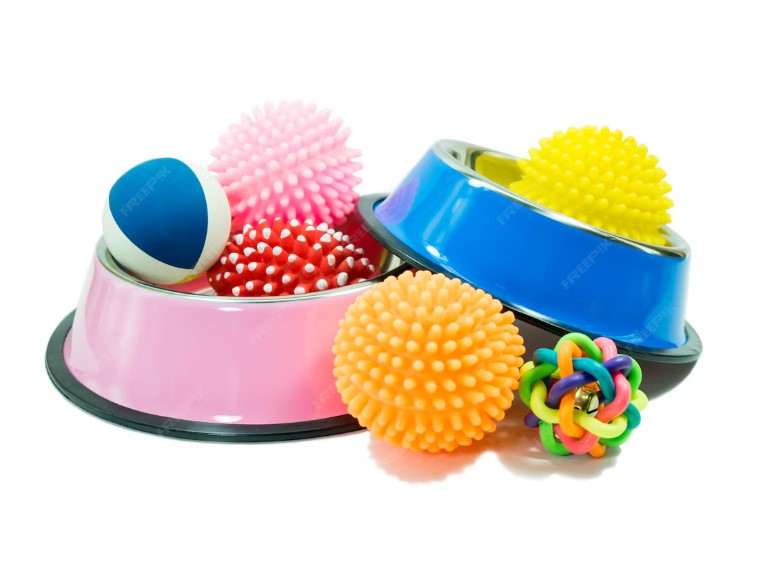
Mental stimulation is just as important as physical exercise for indoor pets. Food puzzle toys and slow feeders can make mealtime more engaging and prevent pets from eating too quickly.
Puzzle feeders encourage pets to “work” for their food, mimicking natural hunting or foraging behaviours. This slows down eating and helps reduce boredom-related overeating.
Interactive feeding can also provide light physical activity, helping indoor pets burn a few extra calories during the day.
5. Adjust Diet Based on Life Stage and Health
Every pet has unique dietary needs depending on age, breed, and health condition. Puppies, kittens, senior pets, and animals with medical conditions may require specialised diets.
Indoor pets should also be weighed regularly. Monitoring weight allows owners to adjust food portions gradually if a pet begins gaining or losing too much weight. Veterinary professionals often recommend small adjustments—such as reducing food intake by 10–20%—when managing weight safely.
Regular veterinary checkups can help determine the most appropriate feeding plan for each pet.
6. Encourage Gentle Activity Alongside Diet
Even though indoor pets may not have outdoor adventures, daily play and exercise still play an important role in maintaining health.
Simple activities such as:
- Playing with feather toys or laser pointers
- Using climbing trees or scratching posts
- Short indoor training sessions for dogs
- Hide-and-seek games with treats
can help increase movement and support healthy weight management.
Combining a proper diet with moderate activity ensures pets maintain strong muscles and a healthy body weight.
Indoor Living and Pet-Friendly Accommodation
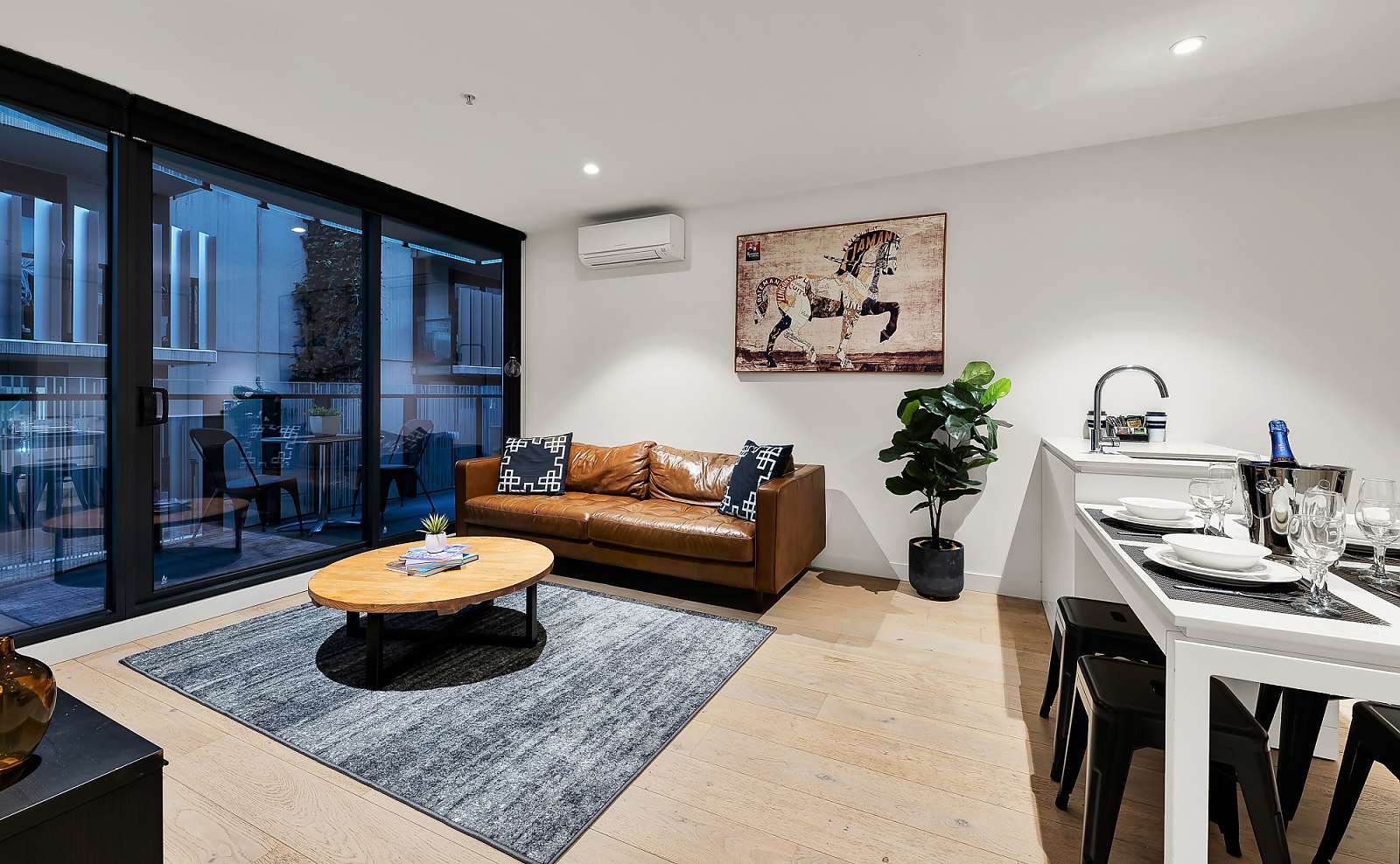
Many pet owners today live in apartments or travel with their pets, making pet-friendly accommodation increasingly important. In apartment environments, pets naturally experience lower activity levels because they may have limited outdoor space.
This makes responsible feeding habits even more essential. Owners staying in pet-friendly accommodation—such as serviced apartments or long-stay rentals—should maintain consistent feeding schedules and bring familiar food for their pets. Doing so helps avoid digestive upset and supports a stable diet routine even while travelling.
Conclusion
Indoor pets enjoy the safety and comfort of home life, but their lower activity levels require careful attention to diet. By focusing on portion control, choosing nutrient-dense foods, limiting treats, and encouraging interactive feeding, pet owners can help their pets maintain a healthy weight and lifestyle.
Balanced nutrition combined with regular playtime ensures that indoor cats and dogs stay active, mentally stimulated, and physically healthy. Whether living in a house, apartment, or pet-friendly accommodation, thoughtful dietary choices make a significant difference in the long-term wellbeing of our beloved indoor companions.