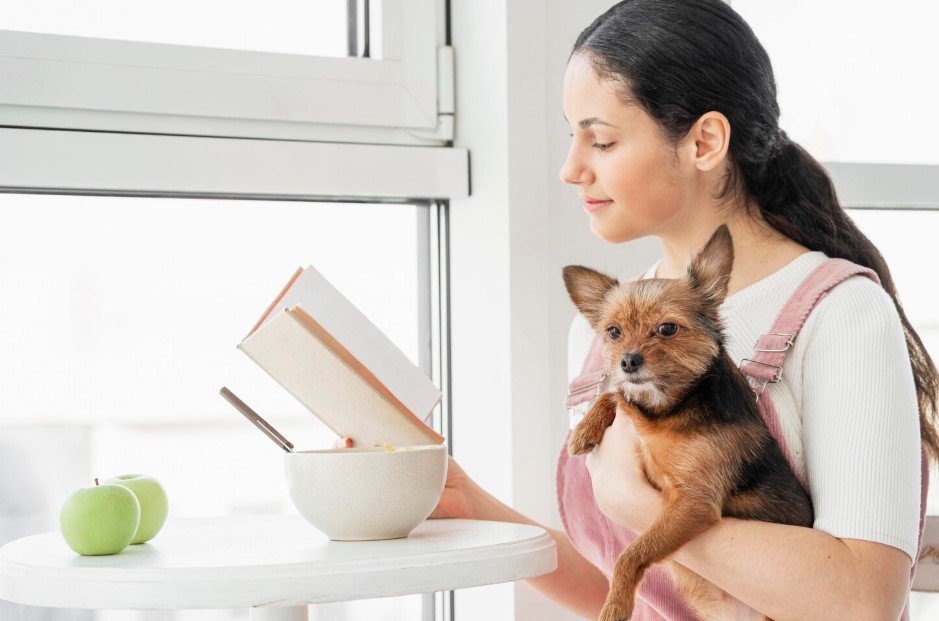
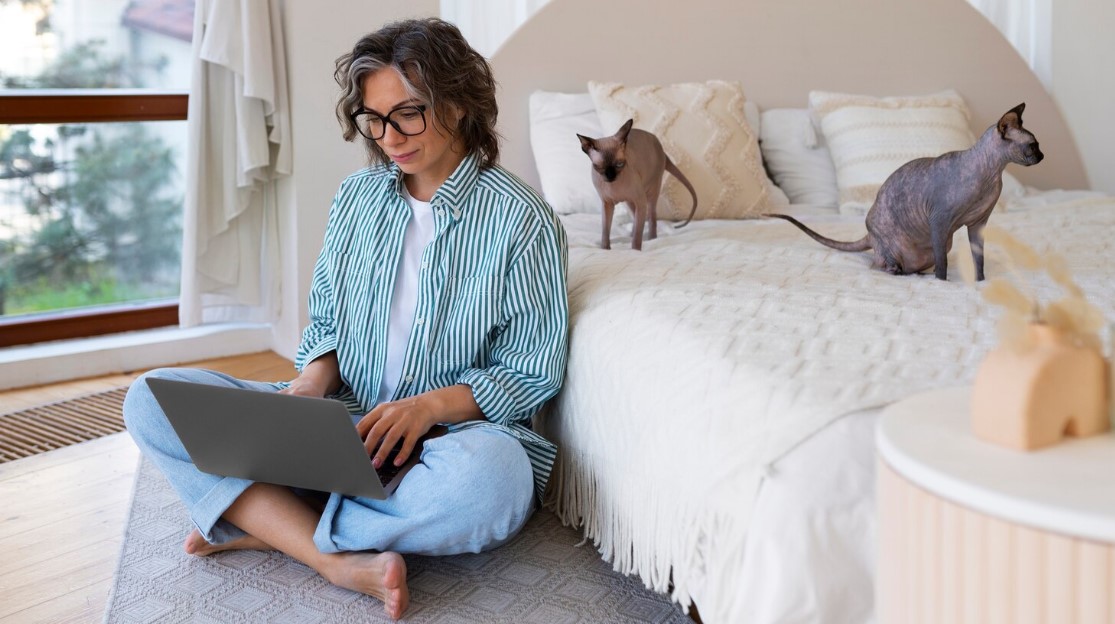
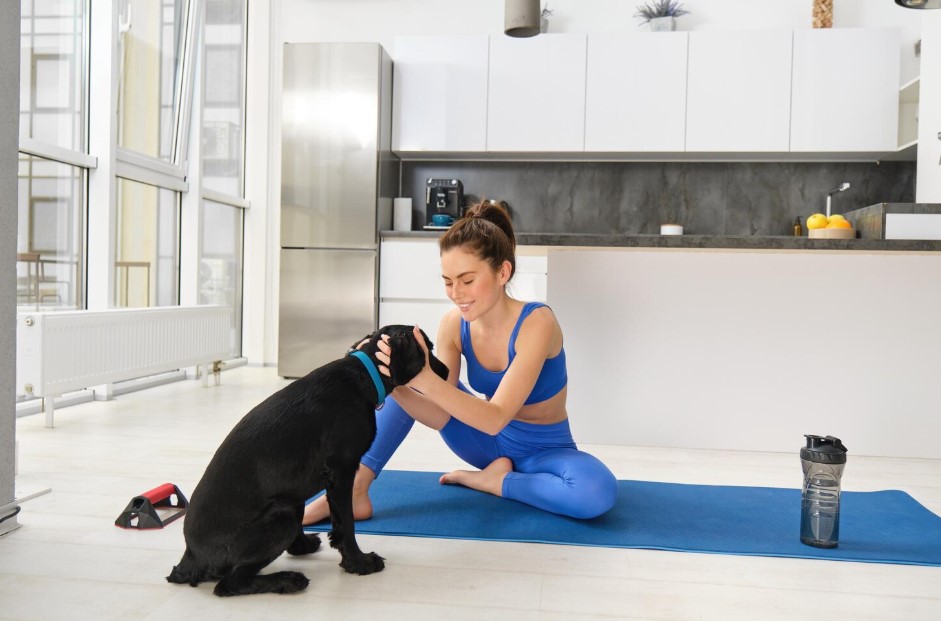
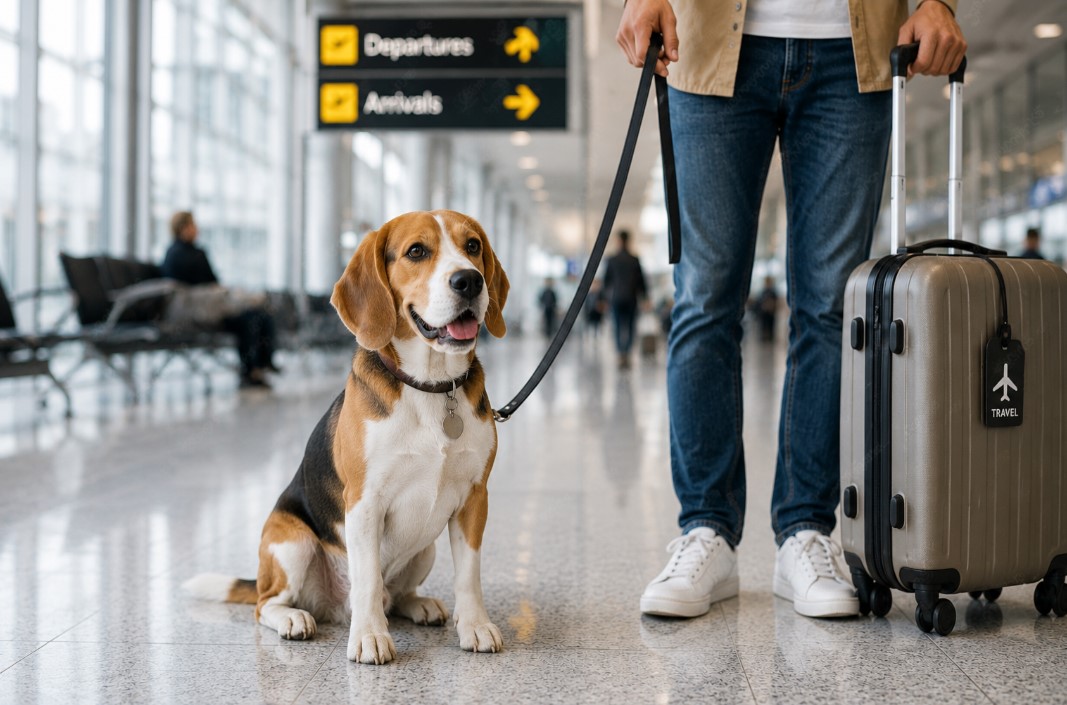
Whether you've recently welcomed a new pet into your home or have shared your life with a furry companion for years, establishing a consistent daily routine is one of the best ways to support their physical health, emotional wellbeing, and overall happiness. Pets thrive on predictability, and having a structured schedule helps them feel safe, secure, and confident in their surroundings.
For apartment dwellers, a well-planned routine is even more important. Living in a smaller space means pets rely heavily on their owners for exercise, mental stimulation, and regular opportunities to explore the outdoors. Fortunately, with thoughtful planning, it's easy to create a routine that benefits both you and your pet.
Why Routine Matters
Animals naturally respond well to consistency. Knowing when they'll be fed, exercised, played with, and allowed to rest reduces stress and encourages positive behaviour.
A regular routine can help:
- Reduce anxiety and separation stress
- Improve toilet training
- Encourage healthy eating habits
- Prevent boredom and destructive behaviour
- Maintain a healthy weight
- Improve sleep patterns
- Strengthen the bond between owner and pet
Pets that understand what to expect throughout the day are generally calmer, more relaxed, and easier to manage.
A consistent pet's daily routine should include scheduled meals, regular exercise, mental enrichment, toilet breaks, rest periods, and quality time with family. Establishing these healthy habits helps pets feel secure, reduces stress, encourages positive behaviour, and supports their long-term physical and emotional wellbeing.
Start the Day with Exercise
Morning exercise helps your pet burn energy before the day begins. For dogs, a walk around the neighbourhood provides both physical activity and mental stimulation through new sights, sounds, and smells.
Even a 20 to 30-minute walk can make a significant difference in your dog's behaviour throughout the day.
Cats can also benefit from morning activity. Interactive toys, climbing towers, feather wands, or laser games encourage movement and satisfy their natural hunting instincts.
Morning exercise often results in a calmer pet while you're working or attending to other responsibilities.
Feed at Consistent Times
Pets appreciate regular meal schedules.
Feeding them at approximately the same times each day helps regulate digestion and prevents excessive begging or food-related anxiety.
Depending on your veterinarian's advice, many adult dogs are fed twice daily, while cats may prefer multiple smaller meals or scheduled feeding times.
Fresh water should always be available and replaced regularly to encourage proper hydration.
Avoid constantly changing feeding times, as this can confuse your pet and disrupt their routine.
Provide Mental Stimulation
Exercise is only one part of keeping your pet happy. Mental enrichment is equally important, particularly for pets spending time indoors.
Activities may include:
- Puzzle feeders
- Treat-dispensing toys
- Training sessions
- Nose-work games
- Food scavenger hunts
- Rotating toys regularly
- Teaching new commands
Even short five to ten-minute enrichment sessions can reduce boredom and encourage healthy cognitive development.
Create a Comfortable Resting Space
Pets need dedicated areas where they can relax undisturbed.
Choose a quiet location for their bed, blanket, or crate where they can retreat when they feel tired or overwhelmed.
Cats often enjoy elevated resting places, while dogs generally appreciate comfortable beds positioned away from heavy foot traffic.
Respecting your pet's rest time helps maintain healthy sleep patterns and reduces unnecessary stress.
Schedule Toilet Breaks
For dogs living in apartments, regular toilet breaks are essential.
Adult dogs generally benefit from walks first thing in the morning, after meals, during the afternoon, and before bedtime. Puppies may require much more frequent outings.
Consistency helps reinforce toilet training and minimises accidents inside the apartment.
Cat owners should clean litter trays daily to encourage continued use and maintain good hygiene.
Include Daily Social Interaction
Pets are social animals that enjoy spending quality time with their families.
Simple activities such as grooming, cuddling, gentle play, or practicing basic obedience strengthen your relationship while giving your pet valuable attention.
Even busy owners can usually set aside dedicated periods each day to focus entirely on their companion.
These moments help pets feel secure and emotionally connected.
Maintain Evening Wind-Down Time
As the day comes to an end, establish a calming bedtime routine.
A gentle evening walk, quiet play session, or relaxed cuddle time signals that it's time to settle down.
Avoid highly stimulating games immediately before bedtime, particularly with energetic dogs.
Providing one final opportunity for dogs to go outside before sleep also helps prevent overnight accidents.
Adjust the Routine Gradually
Life occasionally changes through holidays, work commitments, or family events. While routines may need adjustment, sudden changes can be stressful for pets.
If possible, introduce changes gradually.
For example, if your work schedule shifts, slowly adjust walk or feeding times over several days rather than making dramatic overnight changes.
Consistency remains important even when routines evolve.
Apartment Living Can Support Healthy Habits
Many people assume pets require large backyards to thrive, but that's not necessarily true.
Apartment pets often receive more structured walks, regular exercise, and quality interaction than pets with unrestricted backyard access.
Owners who intentionally schedule walks, playtime, and enrichment often provide a more balanced lifestyle than relying solely on outdoor space.
The key is making daily activity part of your regular schedule.
Recognising When Your Pet Needs More Activity
Every pet has unique energy levels depending on breed, age, and personality.
Signs your pet may benefit from additional exercise or stimulation include:
- Excessive barking or meowing
- Chewing furniture
- Digging at carpets
- Hyperactivity indoors
- Weight gain
- Restlessness
- Attention-seeking behaviour
If these behaviours appear regularly, increasing exercise and enrichment may help improve their wellbeing.
Tips for Busy Owners
Even with a demanding schedule, maintaining your pet's routine is possible.
Helpful strategies include:
- Walking your dog before work
- Using automatic feeders if appropriate
- Hiring a dog walker when needed
- Scheduling play sessions into your calendar
- Providing enrichment toys during the day
- Sharing pet responsibilities with family members
Small daily efforts quickly become lasting habits for both owners and pets.
Conclusion
A consistent daily routine is one of the greatest gifts you can give your pet. Regular feeding, exercise, mental stimulation, rest, and quality time all contribute to a healthier, happier companion.
Apartment living doesn't limit your pet's quality of life—it simply requires thoughtful planning and consistency. With a structured routine, your pet can feel secure, confident, and well cared for while enjoying all the comforts of home. Whether you have a playful puppy, an energetic adult dog, or an independent indoor cat, establishing healthy daily habits will strengthen your bond and support their wellbeing for years to come.
Choosing pet friendly apartments in Melbourne makes it easier to maintain your pet's daily routine. Many apartment communities are located close to parks, walking trails, veterinary clinics, and pet services, allowing owners to provide regular exercise and care while enjoying comfortable apartment living.