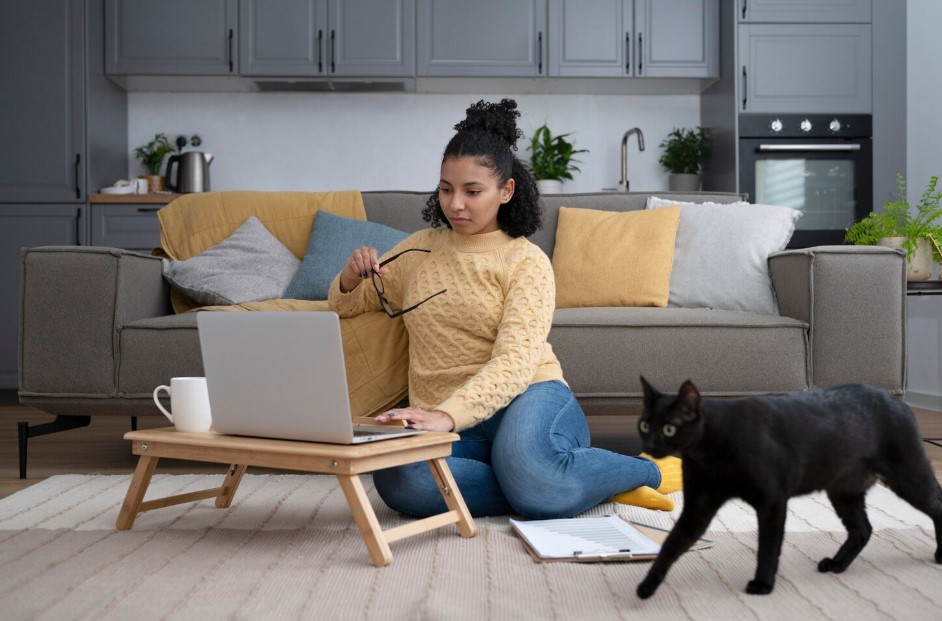
Apartment living has become the norm for many urban Australians, and for pet lovers, sharing a smaller space with a dog or cat can be deeply rewarding — but it also comes with unique responsibilities. Limited square footage, close neighbours, and shared facilities mean pet ownership in an apartment requires more planning than in a standalone home. Understanding the realities of urban pet living can help owners create a comfortable environment for both their pets and themselves.
Choosing the Right Pet for Apartment Life
Not every pet thrives in an apartment setting. While size can be a factor, temperament and energy levels matter more. Some large breeds are calm and well-suited to apartment living, while smaller, high-energy breeds may struggle without sufficient exercise. Cats are often ideal apartment companions, especially breeds that adapt well to indoor environments.
Before bringing a pet home, research breed characteristics and consider adopting from shelters where temperament is already known. Matching your lifestyle, work schedule, and activity level with the right pet reduces stress and improves long-term success.
Understanding Building Rules and Responsibilities
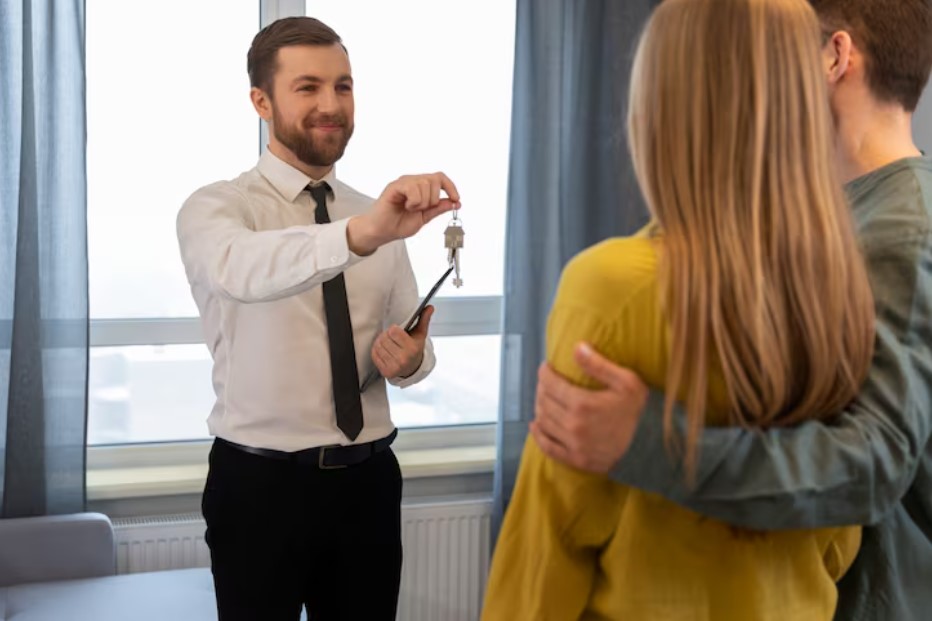
Most apartment buildings have specific pet policies covering size limits, breed restrictions, noise expectations, and common-area usage. Owners may be required to register their pets with building management or obtain written approval.
Respecting shared spaces is essential. Keeping pets on leashes in hallways, cleaning up promptly, and preventing excessive noise helps maintain positive relationships with neighbours and ensures pets remain welcome in apartment communities.
Exercise and Mental Stimulation Are Essential
One of the biggest challenges of apartment living is providing enough physical and mental stimulation. Dogs require daily walks, playtime, and training to burn energy and prevent boredom-related behaviours such as barking or chewing. Cats benefit from vertical spaces, interactive toys, and scheduled play sessions that mimic natural hunting instincts.
Short, frequent exercise sessions are often more effective than one long outing. Puzzle toys, training games, and enrichment activities can tire pets mentally, which is just as important as physical exercise in a confined space.
Managing Noise and Behaviour
Noise travels easily in apartment buildings, making behaviour management critical. Dogs that bark excessively or cats that vocalise at night can cause friction with neighbours. Training, consistent routines, and proper exercise are key to reducing noise-related issues.
For pets prone to anxiety, calming aids such as pheromone diffusers, background noise, or gradual desensitisation to common sounds can be helpful. Early training and positive reinforcement go a long way in shaping apartment-friendly behaviour.
Cleanliness and Odour Control
Maintaining cleanliness is more demanding in smaller spaces. Regular grooming reduces shedding and odours, while frequent cleaning of litter boxes, pet beds, and feeding areas keeps the apartment fresh. Investing in washable covers, quality litter, and pet-safe cleaning products can make a noticeable difference.
Good ventilation and air purifiers may also help manage pet-related odours, especially in apartments with limited airflow.
Health and Veterinary Considerations
Apartment pets may be more susceptible to weight gain due to reduced activity, making portion control and regular exercise vital. Routine vet check-ups, vaccinations, and parasite prevention are essential for maintaining long-term health.
Pet insurance can help offset unexpected veterinary costs, which can be significant over a pet’s lifetime. Urban owners should also be aware of nearby veterinary clinics and emergency services.
Travelling With Pets From an Apartment Base
Urban pet owners often travel for work or leisure, making pet-friendly accommodation an important consideration. When bringing pets along, serviced apartments can offer a more comfortable alternative to traditional hotels.
In cities like Melbourne, providers such as Corporate Keys offer pet-friendly, fully furnished apartments that allow owners to maintain routines while travelling. These spaces typically provide more room, separate living areas, and practical amenities that suit pets accustomed to apartment life.
Time Commitment and Lifestyle Balance
Pet ownership in an apartment requires commitment beyond financial costs. Daily walks, playtime, training, and cleaning demand time and consistency. Owners should realistically assess their schedules and ensure they can meet their pet’s needs even during busy periods.
Enlisting help from dog walkers, pet sitters, or trusted friends can support a balanced lifestyle while ensuring pets receive adequate care.
Creating a Pet-Friendly Apartment Environment
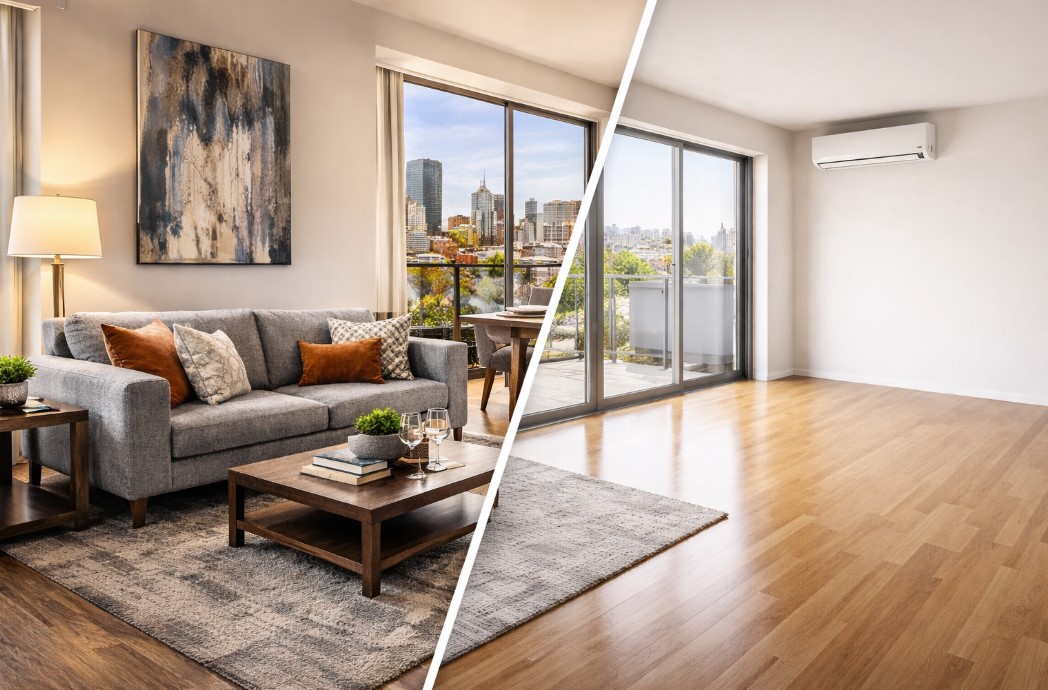
Simple adjustments can transform an apartment into a pet-friendly home. Designate specific areas for feeding, sleeping, and play. Use furniture and storage solutions that maximise space while accommodating pet needs. Creating a structured, predictable environment helps pets feel secure and reduces stress.
Conclusion
Apartment living with pets can be fulfilling when approached thoughtfully. By choosing the right pet, understanding building rules, prioritising exercise and enrichment, and planning for travel and healthcare, urban owners can create a harmonious living arrangement. With preparation and commitment — and access to pet-friendly accommodation options like Corporate Keys when travelling — apartment pets can thrive in city environments just as happily as they would in larger homes.