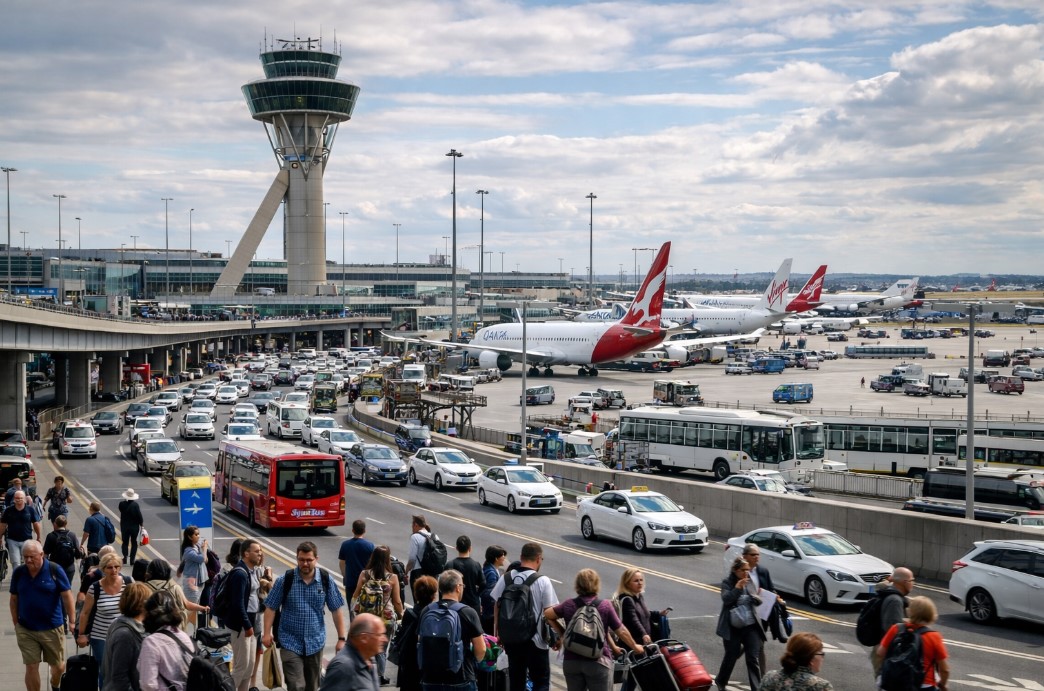
Melbourne Airport has closed out the 2025 calendar year with a historic performance, recording its busiest month ever in December. The airport handled more than 3.42 million passengers, marking a new benchmark for monthly travel activity and underlining the robust rebound and expansion of both international and domestic travel.
A standout figure was 5,596 international flights operating through Melbourne Airport during December, a monthly record for overseas services. These flights brought 1,222,570 international passengers to the city, demonstrating that global demand for travel to and from Victoria is stronger than it’s been in years.
New International Routes Boost Connectivity
Part of this growth has been driven by the introduction of new flight routes. December 2025 saw the arrival of services from several international carriers making their first flights to Melbourne, expanding the city’s global accessibility. New connections included services from major airlines and helped strengthen Victoria’s role as a primary gateway for international tourism and business travel.
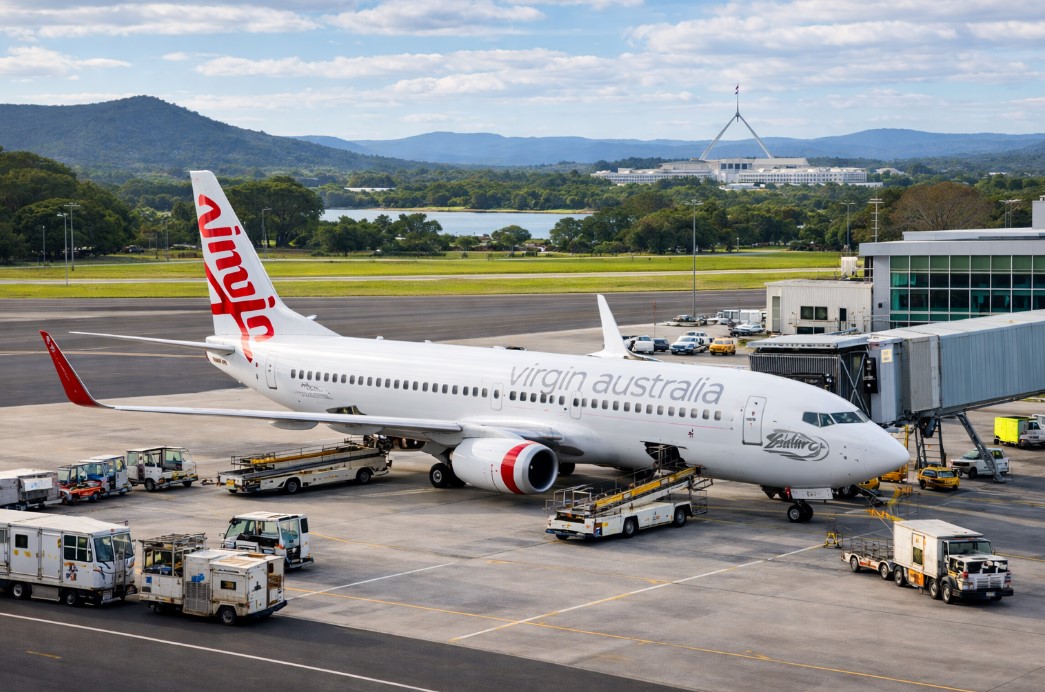
Domestic travel also recorded positive momentum, with the number of passengers rising by nearly 5 per cent compared with the previous December. Airlines including Qantas, Virgin Australia and Jetstar increased capacity with more than 1,000 additional flights, meeting the end-of-year surge in holiday bookings and family travel.
Infrastructure Investments and Future Capacity
Airport authorities have pointed to Melbourne Airport’s ongoing infrastructure upgrades as pivotal to accommodating future growth. A $500 million international baggage system is slated to open in 2026, boosting processing capacity and enhancing the passenger experience. Long-term plans also include a third runway and expanded terminal facilities, which will be critical as travel demand continues to climb.
These investments aim not only to support peak travel seasons but also to ensure that the airport can sustainably manage year-round traffic increases. The expansion aligns with the planned introduction of even more international services in 2026 as carriers broaden their route networks to and from Melbourne.
Festive Season Events Drive Traffic
Several major local events helped drive the December travel surge. High-profile occasions like the Boxing Day Test cricket match and a major stadium concert drew both domestic and international visitors, contributing to record passenger numbers through Melbourne Airport.
Looking ahead to early 2026, the Australian Open was expected to sustain high traveller volumes, bringing athletes, support staff and tennis fans from around the globe. Such events not only fuel airport activity but also generate substantial economic benefits for hospitality, retail, and tourism sectors across Victoria.
Economic Impact of Increased Travel
Rising flight numbers and passenger volumes have tangible economic implications for the region. Increased visitation supports hotels, restaurants, attractions, and transport providers, creating jobs and boosting local commerce. Much of this activity flows from growth in leisure travel, but business travel is also a significant contributor.
Corporate travel demand — where professionals travel for meetings, conferences, and extended work assignments — is an important and steady segment of the market. As more international flights connect Melbourne with global business hubs, the need for quality corporate accommodation and extended-stay solutions grows in tandem.
For providers in the accommodation and business travel space, this surge represents opportunity. Companies that specialise in corporate housing and long-stay lodging have seen increased interest as professionals seek alternatives to traditional hotels — especially for stays linked to extended projects or relocations. One key example is Corporate Keys, a leading provider of furnished apartments and integrated accommodation services across Australia and New Zealand.
Corporate Keys and the Business Travel Accommodation Market
Founded in 2005, Corporate Keys caters to project teams, relocating employees, business executives and frequent corporate travellers with flexible, fully furnished apartments in major cities, including Melbourne, Sydney, Brisbane and beyond.
Unlike traditional hotel accommodation, Corporate Keys apartments often offer larger living spaces similar to residential homes, providing cost-effective and comfortable alternatives for extended stays. Their offerings typically include one to three-bedroom apartments with full kitchens and laundry facilities — features that are highly valued by travellers spending multiple weeks in a destination.
Corporate Keys also maintains a loyalty program and streamlined online booking system, making it easier for corporate clients to secure accommodation that suits both short-term trips and long assignments. Their strategic portfolio in key business districts makes them a logical choice for professionals flying into Melbourne for business events, regional projects, or international meetings — all of which contribute to the airport’s increasing passenger figures.
Looking Forward: 2026 and Beyond
With ongoing airport expansion, enhanced global connectivity, and continued strong travel demand, Melbourne is poised for another busy year in 2026. Airlines are planning additional routes, while passenger confidence remains high. Business travellers and tourists alike stand to benefit from more choice, better infrastructure, and convenient access to one of Australia’s most dynamic cities.
For accommodation providers — particularly those specialising in corporate travel solutions — this environment presents both challenges and opportunities. The evolving landscape calls for flexible, comfortable, and value-driven options, and firms like Corporate Keys are positioned to help meet that demand as international and domestic travellers converge on Melbourne throughout the year.