Australia and New Zealand are facing a growing challenge that extends far beyond the insurance industry. As extreme weather events, natural disasters, cyber risks, and infrastructure pressures continue to increase, governments, businesses, and communities are being forced to rethink how they prepare for and respond to disruption. Recent collaboration between the Insurance Council of Australia (ICA) and the Insurance Council of New Zealand (ICNZ) highlights the urgency of building greater resilience across both countries and offers important lessons for the tourism, accommodation, and property sectors.
The two industry bodies recently signed a Memorandum of Understanding to establish the Resilient Insurance Markets Initiative, a formal partnership designed to coordinate advocacy, share expertise, and improve disaster preparedness across the region. The agreement recognises that Australia and New Zealand face many of the same challenges, including climate-related disasters, supply chain disruptions, cyber threats, geopolitical uncertainty, and evolving technological risks.
For the accommodation industry, these developments are particularly significant. Hotels, serviced apartments, and short-term rental providers increasingly operate in an environment where resilience is no longer optional—it is becoming a key business requirement.
Rising Disaster Costs Are Affecting Every Industry
Australia and New Zealand already experience some of the highest per-capita disaster losses in the world. Floods, bushfires, cyclones, storms, and other extreme weather events continue to place enormous pressure on infrastructure, housing, businesses, and insurance providers. Industry leaders warn that disaster-related costs are climbing steadily, creating financial challenges for governments, property owners, and consumers alike.
Insurance claims linked to severe weather have increased significantly in recent years, while rebuilding costs continue to rise due to labour shortages, supply chain pressures, and construction inflation. These factors contribute to higher insurance premiums and increased operating expenses for property owners.
The impact is being felt across the tourism and accommodation sectors, where maintaining safe, reliable, and operational properties has become more complex and costly.
Why Resilience Matters for Accommodation Providers
The travel industry depends heavily on confidence. Guests expect accommodation providers to offer not only comfort and convenience but also safety and reliability during unexpected events.
Whether it is a severe weather event disrupting transport networks, a power outage affecting city infrastructure, or a local emergency impacting a destination, accommodation providers play an important role in supporting travellers during periods of uncertainty.
For operators of fully furnished apartments, resilience involves more than having insurance coverage. It includes maintaining well-managed properties, implementing emergency procedures, ensuring building compliance, and creating contingency plans that allow guests to continue their stay with minimal disruption.
As travellers become increasingly aware of climate-related risks, accommodation providers that demonstrate strong preparedness may gain a competitive advantage.
Fully Furnished Apartments Offer Flexibility During Disruptions
One accommodation sector that has shown remarkable adaptability is the fully furnished apartment market.
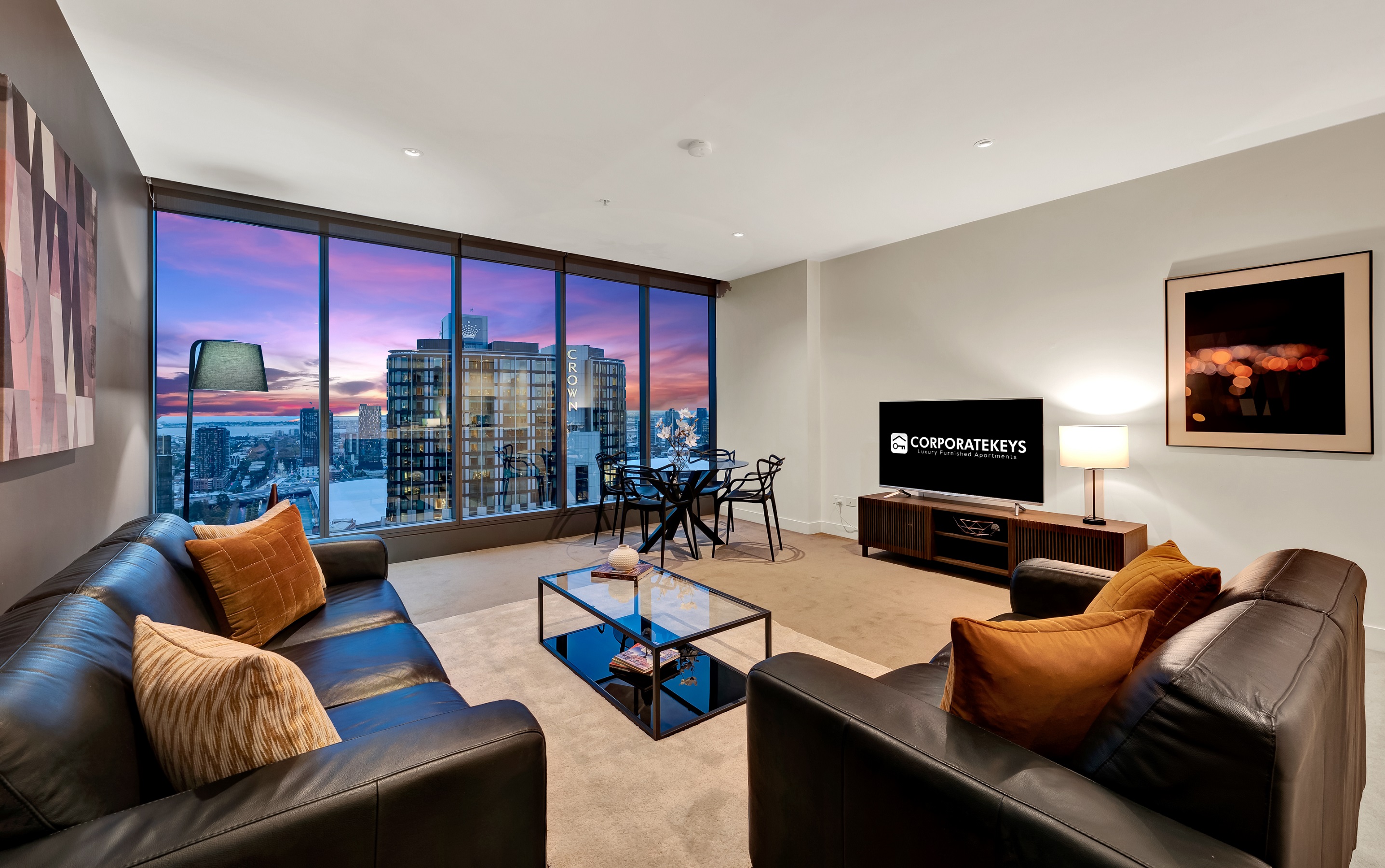
Unlike traditional hotel rooms, fully furnished apartments offer guests additional space, self-contained kitchens, laundry facilities, dedicated work areas, and the ability to maintain a more independent lifestyle. These features become especially valuable during periods of disruption or extended stays.
For example, when severe weather events delay travel plans or infrastructure projects require workers to remain in a location longer than expected, fully furnished apartments can provide a practical and comfortable alternative to conventional accommodation.
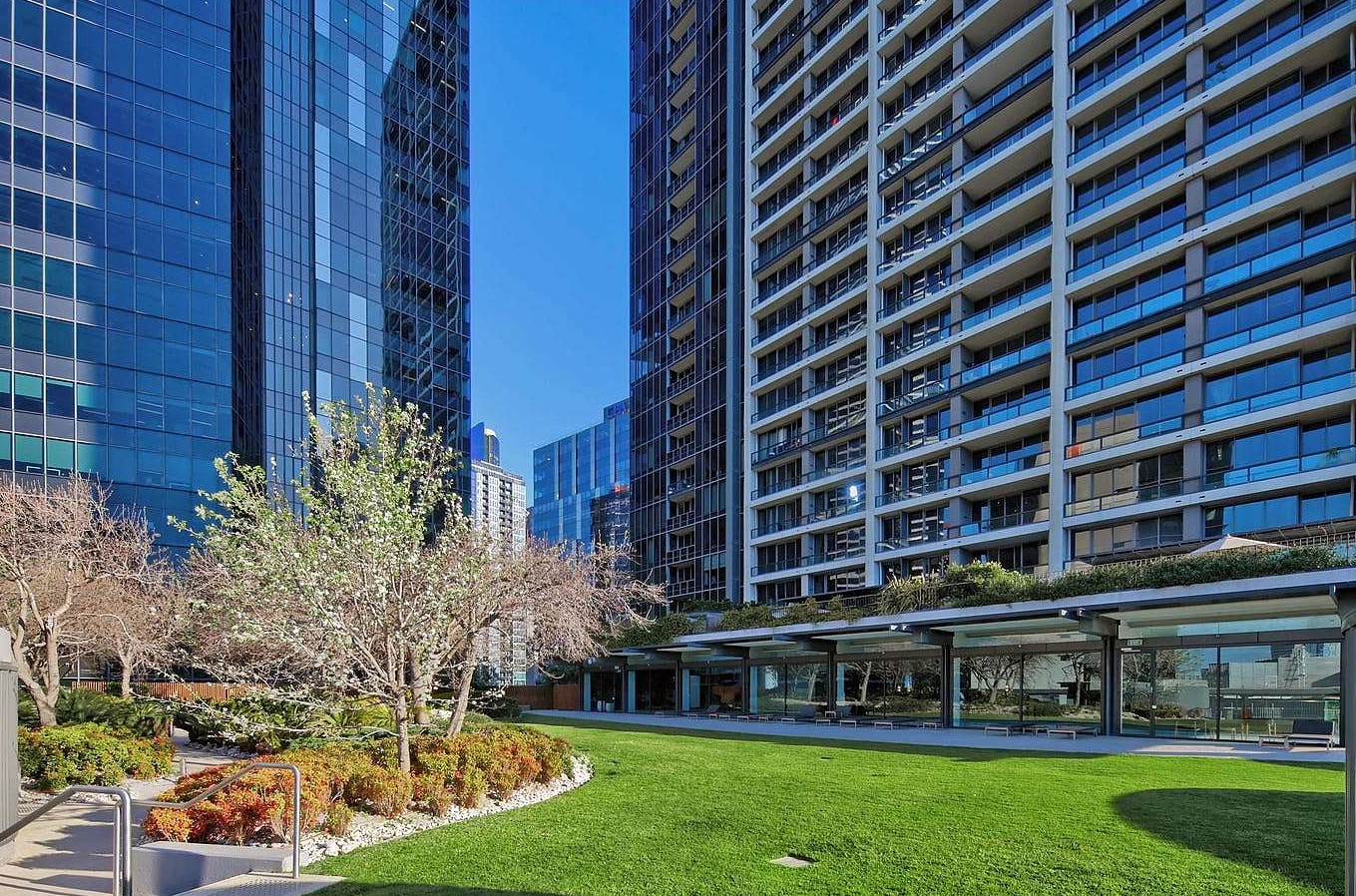
This flexibility has contributed to growing demand for fully furnished apartments in Melbourne, particularly among corporate travellers, project workers, relocating employees, government personnel, and long-stay guests.
Corporate Travel and Relocation Demand Continues to Grow
Resilience is not only about responding to disasters—it is also about supporting economic recovery and business continuity.
When major weather events impact communities, businesses often require temporary accommodation for staff, contractors, engineers, insurance assessors, and recovery teams. Similarly, large infrastructure projects and regional development initiatives create demand for longer-term accommodation solutions.
Fully furnished apartments are well-suited to these requirements because they combine the convenience of a hotel with the comfort and functionality of a home environment.
Providers such as Corporate Keys have long recognised the importance of offering accommodation solutions that support both business continuity and guest wellbeing. Spacious living areas, full kitchens, flexible booking terms, and residential-style amenities help guests maintain normal routines during periods of uncertainty.
Prevention Is Better Than Recovery
One of the most important messages emerging from the new trans-Tasman initiative is the value of investing in resilience before disasters occur.
Industry leaders estimate that every dollar invested in disaster preparedness and risk reduction can generate multiple dollars in avoided losses. This principle applies not only to governments and insurers but also to property owners and accommodation operators.
Investments in building maintenance, flood mitigation measures, emergency planning, cybersecurity protections, and infrastructure upgrades can help reduce long-term risks while improving guest confidence.
For accommodation providers, proactive risk management is increasingly becoming part of delivering a premium guest experience.
Looking Ahead
The collaboration between Australia and New Zealand's insurance sectors highlights a broader reality facing the region. Climate-related challenges, rising disaster costs, and evolving risks are reshaping how businesses operate and plan for the future.
For the accommodation industry, resilience will become an increasingly important factor in both property management and guest decision-making. Providers that prioritise preparedness, adaptability, and operational continuity will be better positioned to meet changing traveller expectations.
As demand for flexible, long-stay accommodation continues to grow it is likely to play an important role in supporting business travellers, relocating professionals, and visitors seeking greater comfort and stability during uncertain times.
The future of accommodation is not only about where people stay—it is also about how well properties can support guests when circumstances change. In an increasingly unpredictable world, resilience may become one of the industry's most valuable assets.