Australia’s enduring passion for travel has sparked a significant upswing in travel-related advertising investment, with brands clearly doubling down on efforts to attract holidaymakers. According to new Nielsen Ad Intel data, Australian travel advertising spend jumped 12 per cent year-on-year in 2025, rising to a total of $684.1 million, up from $610.7 million in 2024. This impressive growth highlights not just the resilience of the travel category but the sector’s continued optimism about consumer demand for both domestic and international trips.
Travel Agents and Airlines Lead the Ad Spend Boom
Travel agents and tour operators retained their position as the largest segment of the advertising market, investing heavily to capture the attention of eager travellers nationwide. In 2025, this segment alone accounted for $340.2 million in ad spend, underscoring the intense competition among agencies to attract bookings. Meanwhile, airlines posted the strongest growth in advertising investment, with a standout 36 per cent increase compared to the previous year. Tourism authorities also increased their spending by 15 per cent, reflecting a broader push to promote regions and destinations within and beyond Australia’s borders.
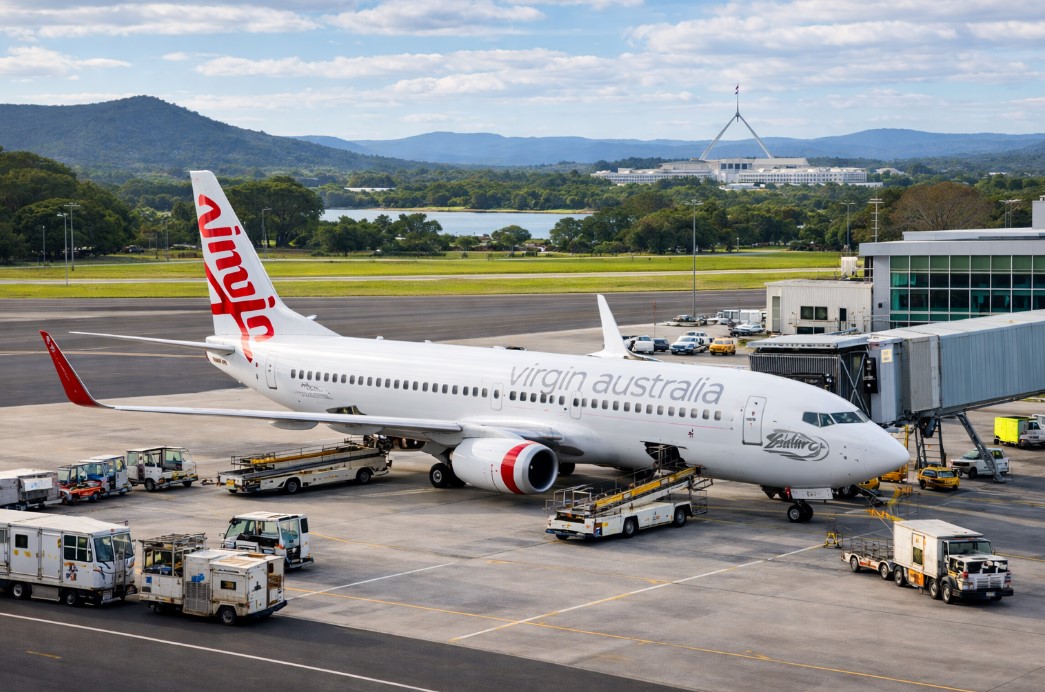
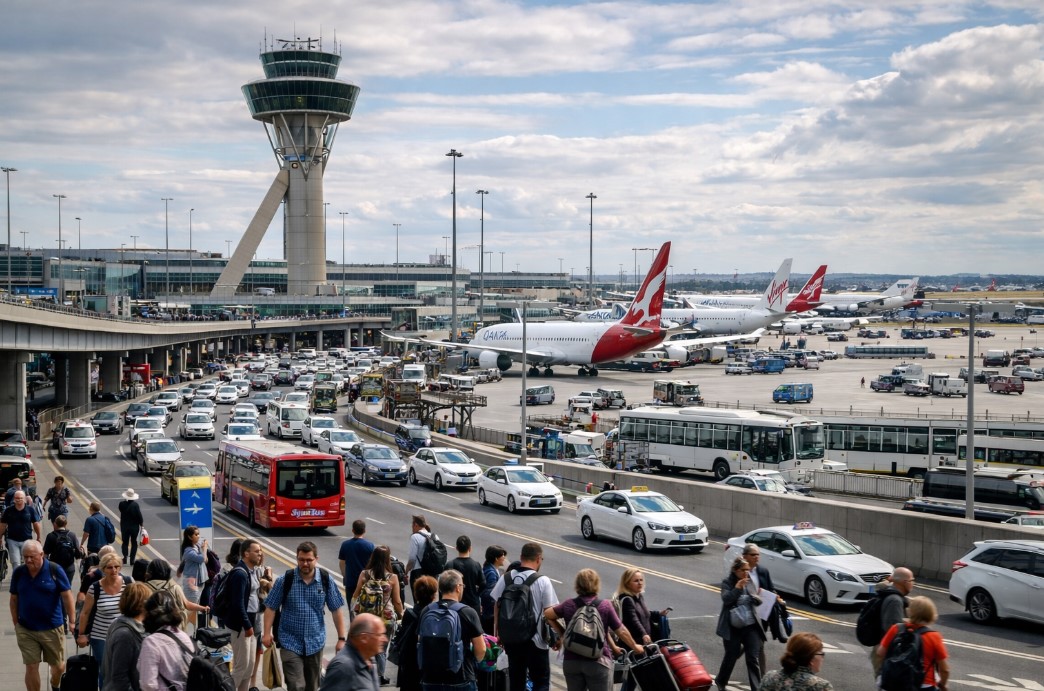
Among airline advertisers, Qantas led the category in total spend, followed by Virgin Australia International, Jetstar, Emirates, and Malaysia Airlines. In the travel agency and tour operator space, Flight Centre topped the spend charts, with Booking.com, Scenic Tours Australia, Ignite Travel, and TripADeal also investing significantly to reach potential travellers.
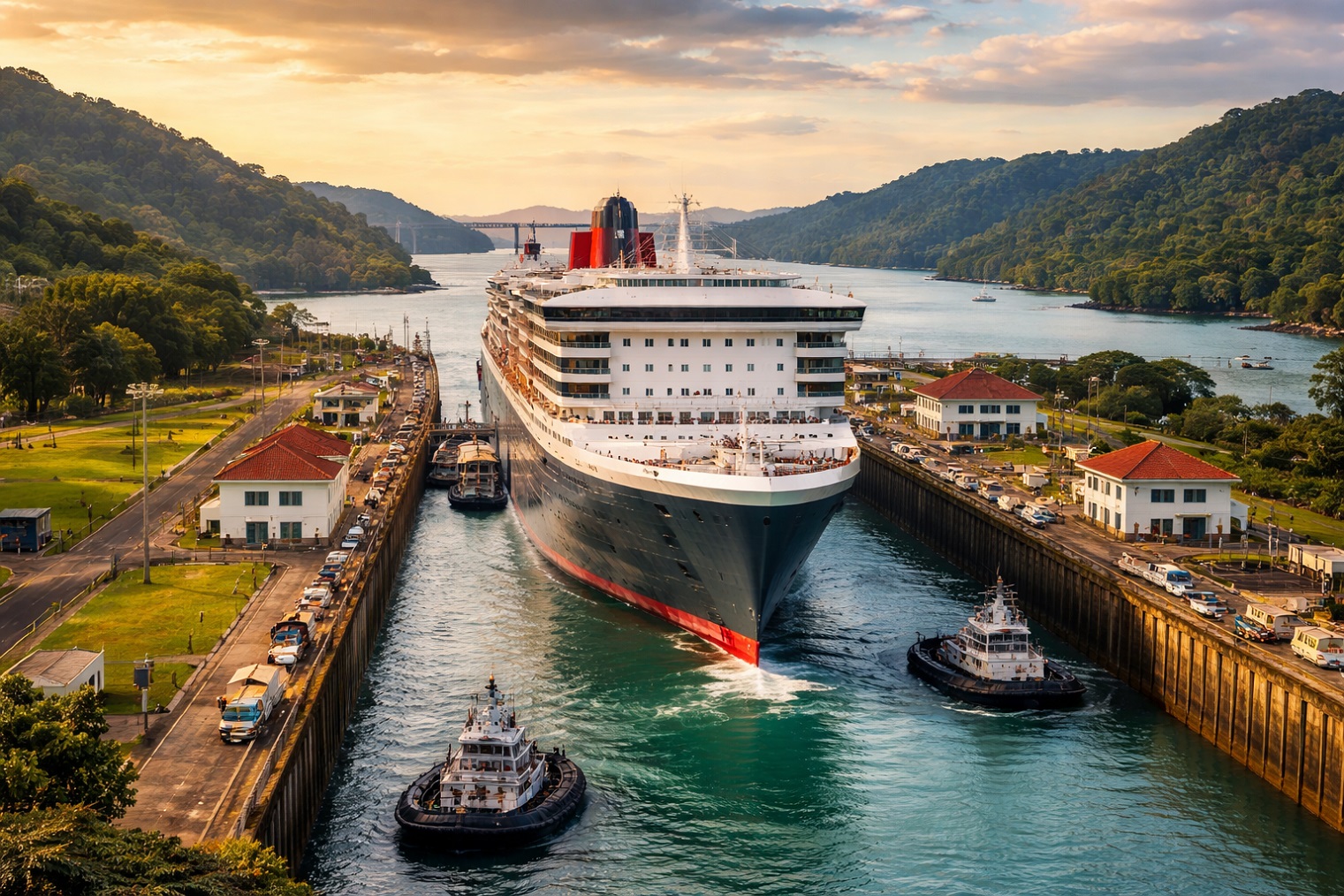
Cruise travel made notable gains as well, with advertising in that segment growing by 9 per cent. This aligns with data showing a rising interest in cruising, as more than half of potential travellers—56 per cent—said they would “consider taking a cruise,” according to Nielsen’s Consumer & Media View (CMV) research. Viking River Cruises, Silversea Cruises, Royal Caribbean International, Carnival Cruise Lines and Norwegian Cruise Line were among the top cruise advertisers.
Domestic Destinations Still Dominate Planning
The Nielsen research revealed that leisure travel remains the main motivation for Aussies when planning holidays, and nature-based or experience-led trips continue to be popular. On the domestic front, New South Wales and Queensland tied as the top domestic destinations, each attracting 18.7 per cent of planned trips, with Victoria close behind at 14.6 per cent. This trend reflects Australians’ strong affinity for exploring diverse local landscapes, cities and attractions when planning their next holiday.
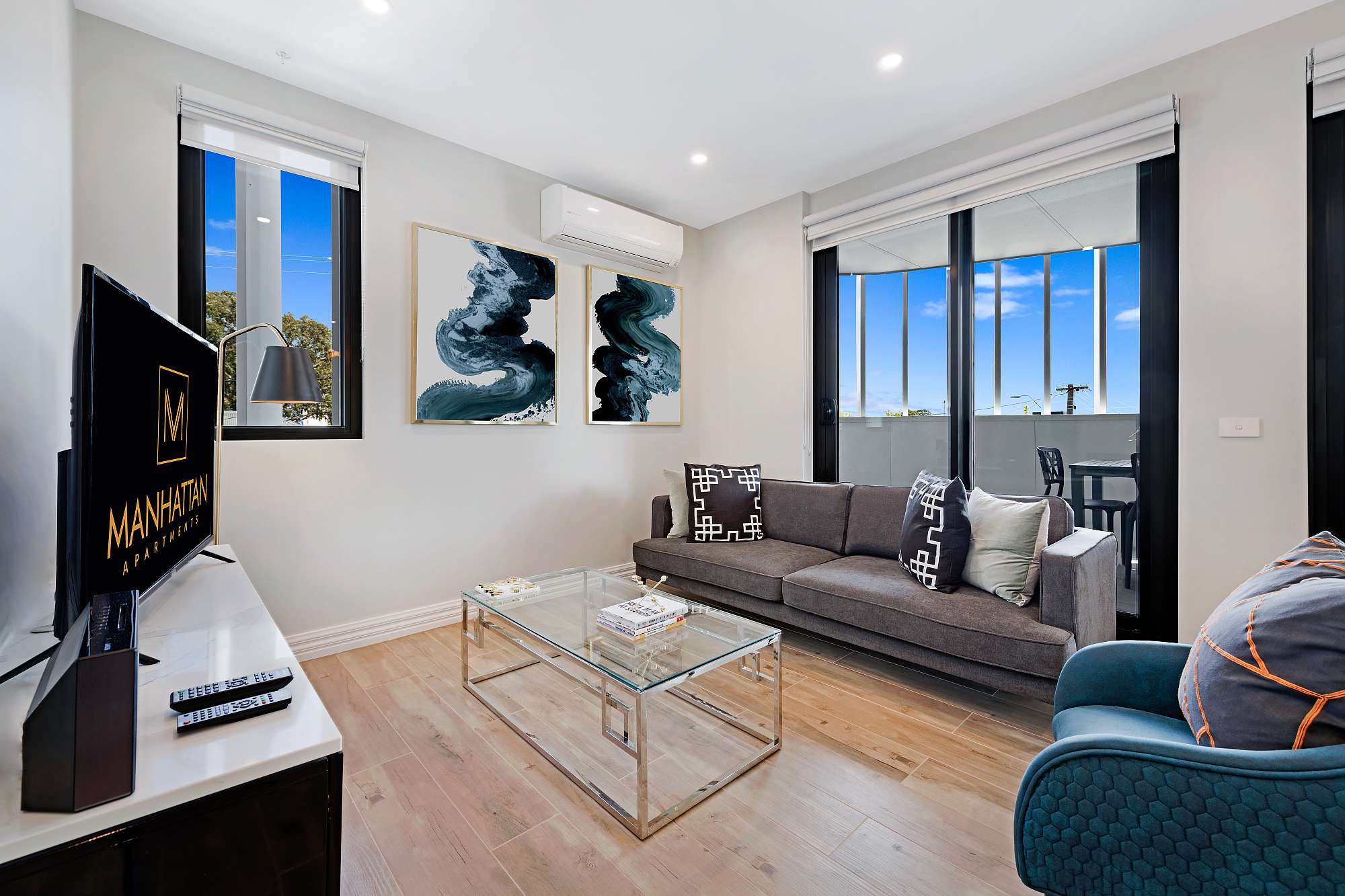
With the domestic travel boom well underway, many visitors are not only looking for flights and tours but also comfortable stays that suit a range of travel styles. For example, in Victoria’s capital Melbourne, longer trips or extended holidays often see travellers choosing furnished apartments in Melbourne for their flexibility, space and home-like comforts. These furnished options are especially attractive to families, business travellers and overseas visitors who want a base that feels more like living in the city than just visiting. This shift toward longer, immersive stays also mirrors the broader desire among Australians to make the most of their travel experiences, whether they’re soaking up city culture or exploring nearby natural wonders.
Online Planning and Booking Is Now the Norm
Digital planning continues to dominate the travel landscape, with 85 per cent of respondents saying they would “check the internet if planning a trip”. Just over half—52 per cent—reported that they preferred to book accommodation through online platforms, a clear indication of how integral digital channels have become in travel decision-making. This shift toward online planning is not surprising in today’s tech-savvy environment, where travellers can research destinations, compare prices, and lock in deals with a few taps on a screen.
Despite Australians’ strong appetite for travel, cost considerations remain front of mind. Forty-seven per cent of travellers indicated an interest in “no frills” or more affordable airfare options, suggesting that while travel demand is high, value for money continues to be an important factor in holiday planning.
International Travel Aspirations on the Rise
When it comes to international travel, Aussies showed a clear desire to broaden their horizons. Among the overseas destinations that caught the most attention, the United Kingdom and Japan emerged as top choices, with 6.4 per cent and 6.2 per cent, respectively, expressing interest in visiting these destinations. This interest in global travel underscores that while domestic trips remain popular, Australians are also increasingly looking to experience cultures, landscapes and adventures beyond their shores.
What This Means for the Future of Travel Marketing
The surge in travel advertising spend reflected in the Nielsen data underscores a broader industry belief that Australians are not just ready to travel—they want to travel more and in diverse ways. Increased competition among destinations, airlines, travel agencies and online platforms has resulted in more targeted, compelling campaigns aimed at capturing the attention of potential holidaymakers.
According to Rose Lopreiato, Nielsen Ad Intel’s Australia Commercial Lead, the 12 per cent rise in ad investment is a strong signal that the travel category is accelerating. She noted that with travel options expanding and competition heating up, it’s more important than ever for advertisers to understand where competitors are investing and how they can appeal to Aussies’ travel aspirations most effectively.
With a strong emphasis on digital engagement and evolving consumer preferences, the travel industry’s marketing playbook continues to adapt. From enticing domestic holidaymakers to inspiring international wanderlust, travel brands are harnessing data and digital tools to shape campaigns that resonate with today’s adventurous and connected travellers.
A Travel Boom That Shows No Signs of Slowing
As Australians continue to prioritise travel—whether it’s a domestic getaway to scenic coastal spots, an overseas adventure to cultural hubs like Japan or the UK, or a city break supported by flexible accommodation choices like furnished serviced apartments in Melbourne—the advertising surge reflects a broader narrative of confidence and enthusiasm. Travel, it seems, remains an enduring passion for Australians of all ages, and the industry’s response shows no sign of slowing anytime soon.