The demand for long-stay accommodation has grown significantly in recent years, driven by business travel, relocation, remote work, and extended holidays. Unlike short-term guests, long-stay occupants are not just looking for a place to sleep—they want a comfortable, functional space that feels like home. Understanding guest expectations is essential for property owners and accommodation providers aiming to deliver high-quality experiences and build long-term loyalty.
Comfort That Feels Like Home
One of the most important expectations in long-stay accommodation is comfort. Guests want more than just a bed—they expect a well-designed living environment where they can relax, work, and unwind.
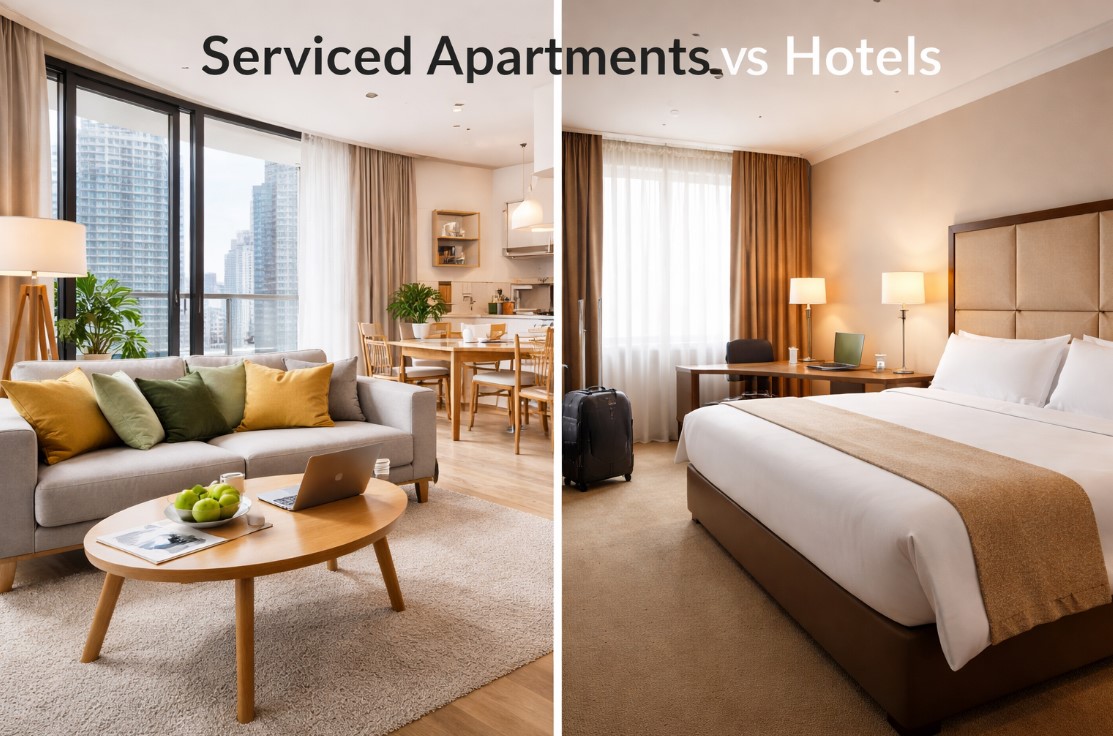
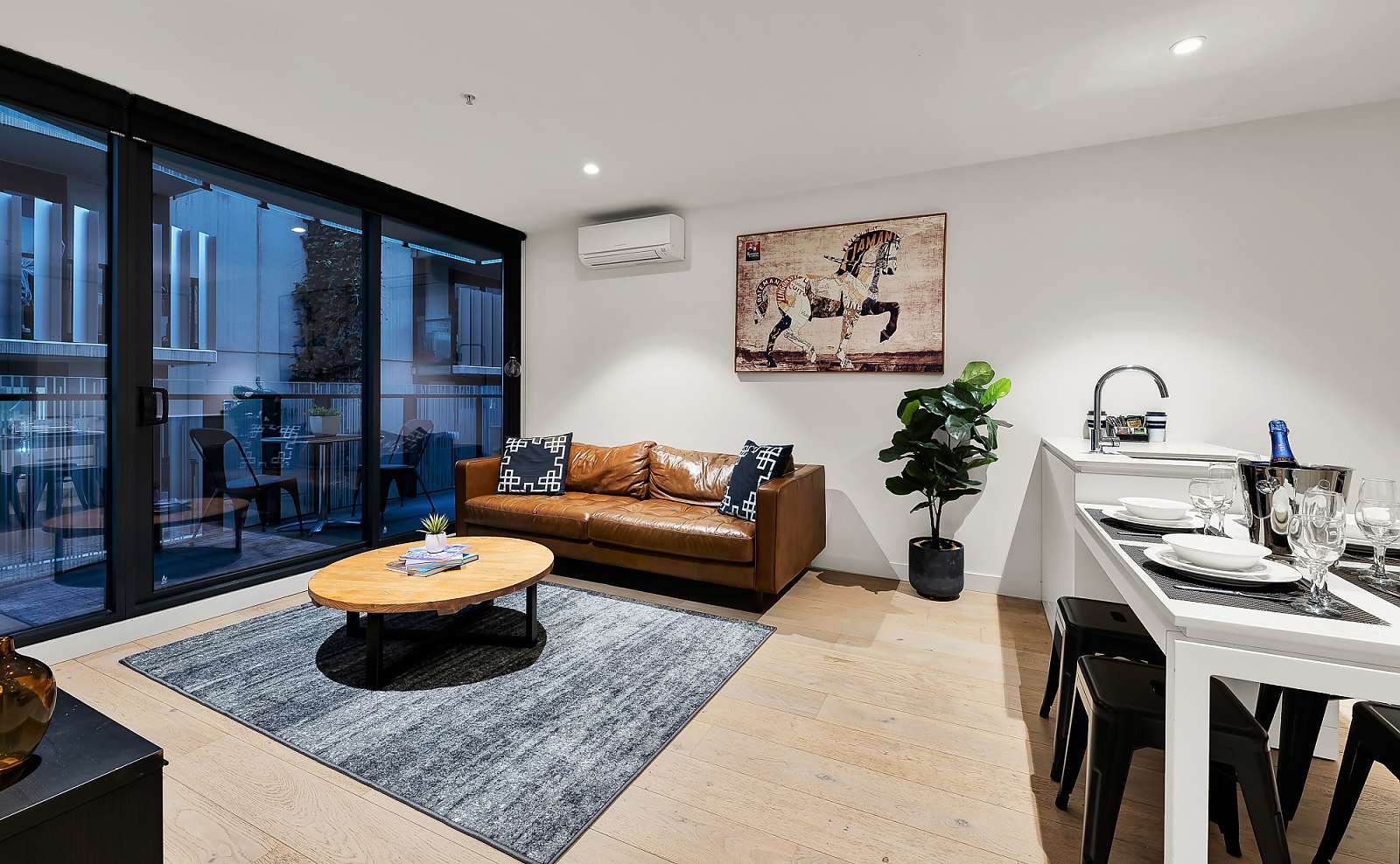
This includes comfortable furniture, quality bedding, and a layout that offers both privacy and practicality. Separate living and sleeping areas are highly valued, as they allow guests to maintain a sense of routine similar to their own home.
Temperature control, natural light, and noise insulation also play a key role in creating a comfortable stay. A quiet, well-lit space can significantly enhance the overall guest experience.
Fully Equipped Living Spaces
Long-stay guests expect fully furnished apartments with all the essentials needed for daily living. A functional kitchen is a top priority, allowing guests to prepare meals rather than rely on dining out.
Appliances such as a refrigerator, microwave, oven, and dishwasher are often considered standard. In addition, having access to a washing machine and dryer is a major advantage, especially for guests staying several weeks or months.
Storage space is another important factor. Guests need room to unpack and organise their belongings, making the space feel more permanent and less like a temporary stay.
Reliable Technology and Connectivity
In today’s digital world, strong and reliable internet is non-negotiable. Many long-stay guests work remotely or need consistent connectivity for business purposes.
High-speed Wi-Fi, smart TVs, and dedicated workspaces are increasingly expected. A comfortable desk and chair setup can make a significant difference for professionals staying for extended periods.
Seamless connectivity not only supports productivity but also enhances entertainment and communication, contributing to a more enjoyable stay.
Cleanliness and Maintenance
Cleanliness is a fundamental expectation, but in long-stay accommodation, it goes beyond the initial presentation. Guests expect ongoing maintenance and support throughout their stay.
Regular housekeeping services, or at least the option for scheduled cleaning, can greatly improve satisfaction. Quick response times for maintenance issues—such as plumbing or appliance problems—are also critical.
A well-maintained property reflects professionalism and reassures guests that their comfort is a priority.
Flexibility and Convenience
Flexibility is one of the key reasons guests choose long-stay accommodation over traditional hotels. They expect flexible booking options, easy extensions, and straightforward check-in and check-out processes.
Self-check-in systems, digital access, and responsive communication channels make the experience more convenient. Guests appreciate being able to manage their stay with minimal hassle.
Providers like Corporate Keys have adapted to these expectations by offering streamlined processes and flexible arrangements tailored to corporate and long-term guests.
Location and Lifestyle Access
Location plays a significant role in guest satisfaction. Long-stay guests often choose accommodation close to workplaces, public transport, hospitals, or lifestyle hubs.
Access to nearby cafes, restaurants, supermarkets, and recreational areas enhances the overall experience. Walkability and connectivity are key factors that influence a guest’s decision to book and extend their stay.
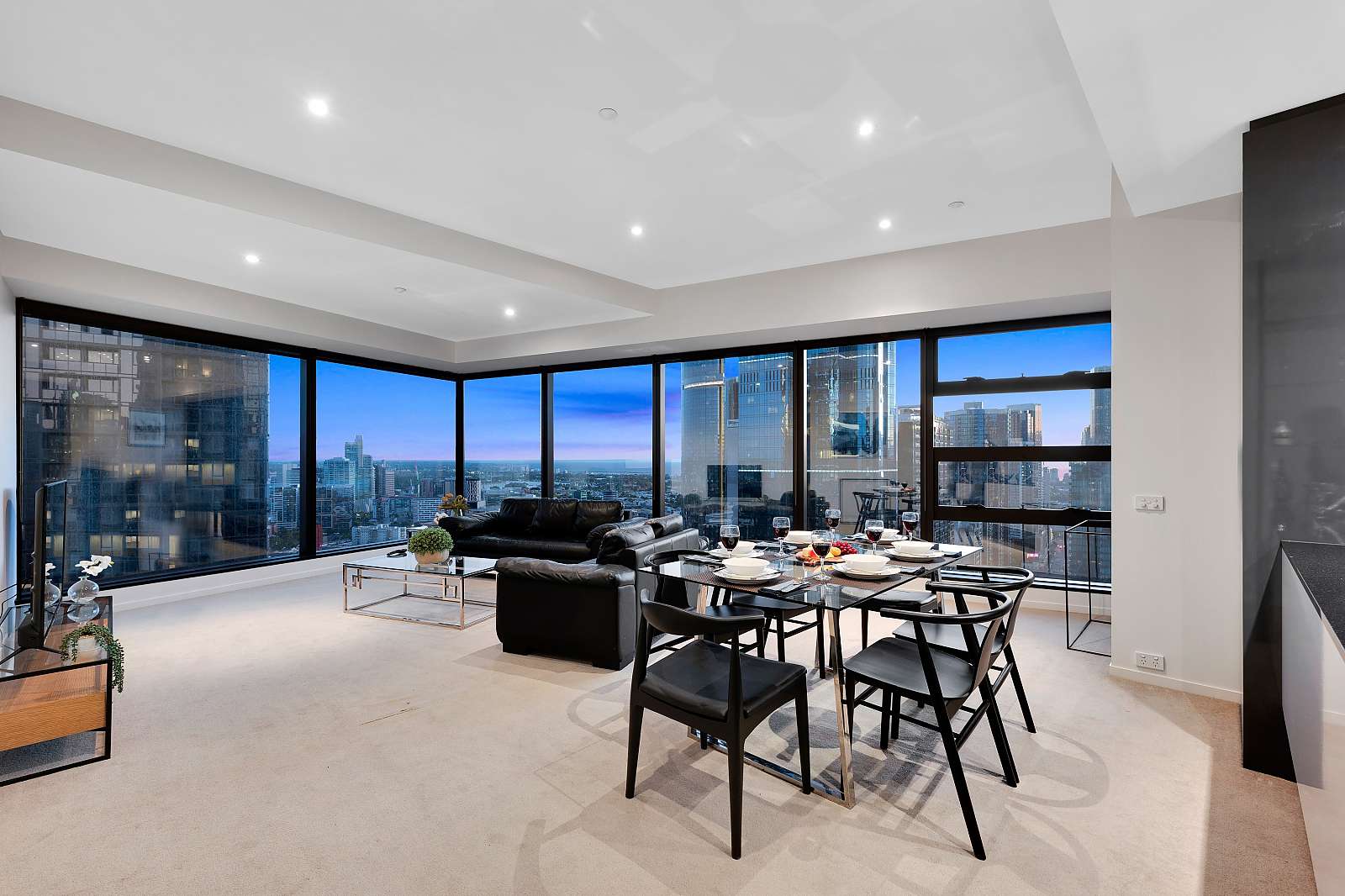
In cities like Melbourne, areas such as Southbank, Docklands, and inner suburbs are highly sought after due to their proximity to business districts and vibrant lifestyle offerings.
Safety and Security
Feeling safe is a fundamental expectation for any guest, but it becomes even more important during longer stays. Secure building access, well-lit common areas, and reliable locking systems contribute to peace of mind.
Additional features such as concierge services, surveillance systems, and secure parking can further enhance the sense of security.
Guests who feel safe are more likely to relax, enjoy their stay, and return in the future.
Personalisation and Customer Experience
Modern guests value personalised experiences. Simple touches—such as welcome packs, local recommendations, or tailored communication—can make a significant impact.
Understanding guest preferences and responding promptly to requests helps build trust and loyalty. Long-stay guests, in particular, appreciate consistent and attentive service throughout their stay.
A strong customer experience not only leads to positive reviews but also encourages repeat bookings and referrals.
Value for Money
While long-stay guests are often willing to pay for quality, they also expect value for money. Competitive pricing, transparent fees, and inclusive services contribute to a positive perception of value.
Offering bundled services—such as utilities, Wi-Fi, and housekeeping—can simplify the guest experience and make the accommodation more appealing.
Final Thoughts
Understanding guest expectations in long-stay accommodation is essential for staying competitive in a growing market. Today’s guests are looking for more than just a place to stay—they want comfort, convenience, and a sense of home.
By focusing on quality furnishings, reliable technology, excellent service, and flexible arrangements, property owners and providers can create experiences that meet and exceed expectations.
As the demand for long-stay accommodation continues to rise, those who prioritise guest satisfaction and adapt to evolving needs will be best positioned for long-term success.