Over the past decade, the way people travel has undergone a profound shift—and much of that change can be traced back to one disruptive idea: Airbnb. What started as a simple platform for renting air mattresses in a living room has grown into a global home-sharing marketplace with millions of listings in nearly every country. Its rise has reshaped traveller expectations, challenged traditional hotel models, and driven innovation across the hospitality sector. As Airbnb continues to expand, hotels, large and small, have been forced to rethink how they attract guests, price rooms, and deliver value in an increasingly competitive landscape.
A New Era of Travel Accommodation
Before Airbnb entered the scene, travellers largely relied on hotels, motels, and bed-and-breakfasts for overnight stays. These options offered standardised services—comfortable beds, predictable amenities, and professional management—but they also came with limitations. Many travellers felt constrained by strict check-in times, uniform room layouts, and often higher price points.
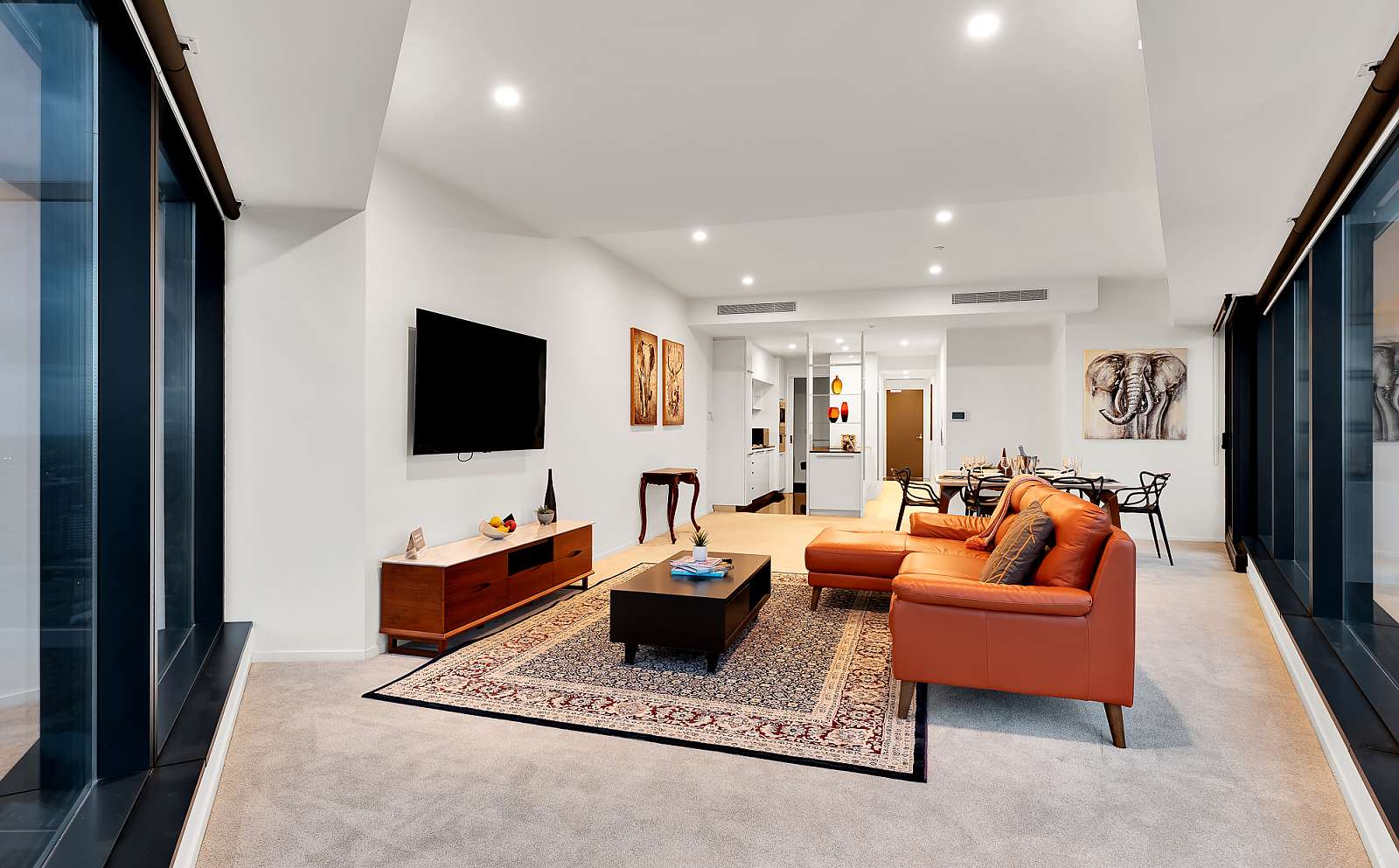
Airbnb changed that dynamic by opening access to a much wider variety of accommodations. From cozy studios and entire apartments to treehouses, villas, and castles, Airbnb listings offered a sense of individuality and local flavour that traditional hotels often lacked. Travellers could stay in neighbourhoods rather than tourist zones, live like locals, and choose spaces that matched their preferences and budgets.
This democratisation of space resonated with a broad audience. Young travellers appreciated the affordability and unique experiences. Families and groups valued the cost-effectiveness of shared living areas and kitchens. Long-stay guests benefited from flexible check-in/out and homes with full amenities. The growth was explosive: what began as a niche alternative became a mainstream choice for millions of people around the world.
Redefining Value and Expectations
The rise of Airbnb also reframed how travellers think about value. Hotels traditionally compete on a combination of price, location, service quality, and amenities. Airbnb listings often delivered more space for the same price, with perks like kitchens, laundry machines, and private outdoor areas—all of which appealed to cost-conscious guests and those seeking a home-like environment.
This shift in value perception put pressure on traditional hotels, especially in the mid-market and budget segments. Many guests began to question paying premium rates for standard rooms when they could access larger, fully furnished homes at comparable prices. The impact was particularly noticeable during peak travel seasons and in urban destinations with high hotel rates.
Hotels Respond and Adapt
Faced with rising competition, traditional hotels did not sit idle. Many began to innovate, differentiate, and diversify their offerings:
- Loyalty programs and personalised service: Hotels leaned into loyalty rewards, premium service touchpoints, and guest recognition systems to build long-term relationships that Airbnb could not easily replicate.
- Flexible pricing and packages: Dynamic pricing strategies became more refined, with hotels offering bundled deals (breakfast, parking, experiences) to add perceived value.
- Redesigning spaces: Some hotels refreshed room designs and common areas to feel more modern, comfortable, and “Instagram-worthy,” appealing to travellers who value aesthetics and experience.
- Extended-stay and hybrid models: Many hotel brands introduced extended-stay concepts and suites with kitchenettes and living areas to compete more directly with home-like accommodations.
Some hospitality groups even launched their own short-term accommodation rental platforms or partnered with home-sharing marketplaces to list unused inventory, blurring the line between traditional hotels and alternative accommodations.
Regulatory Challenges and Local Impact
The rapid growth of Airbnb also sparked regulatory debates in cities around the world. Local governments grappled with concerns about housing affordability, neighbourhood disruption, zoning compliance, and tax revenue. Critics argued that converting long-term rental housing into short-term Airbnb listings exacerbated housing shortages in popular urban areas. In response, many cities enacted policies requiring registration, occupancy limits, or minimum stay requirements for short-term rentals.
For hotels, these regulatory disputes were a double-edged sword. On one hand, tighter rules on Airbnb aimed to level the competitive playing field and prevent unfair advantages. On the other hand, hotels faced their own challenges with labour costs, property taxes, and infrastructure compliance—factors that home-sharing hosts did not always encounter with the same intensity.
Changing Traveller Preferences
Airbnb did more than provide beds—it helped cultivate a new generation of travellers who prioritise experience, authenticity, and local connection. Many guests now seek neighbourhoods with local markets, cafés, and cultural immersion rather than sterile hotel corridors. They value hosts who share insider tips, unique décor that reflects local character, and the freedom to live on their own schedule.
This shift has influenced hotels as well. Many now curate local experiences, partner with neighbourhood businesses, and integrate cultural elements into their guest offerings. Hotels are increasingly seen not just as places to sleep, but as hubs for exploration and storytelling.
The Future of Hospitality
Today, the hospitality landscape is more diverse than ever. Airbnb remains a dominant force with millions of active listings and a loyal global user base. Traditional hotels continue to attract travellers seeking consistency, professional service, and trusted standards of safety and cleanliness. Both models have their strengths, and the market now accommodates a wide range of preferences.
Hybrid models are emerging, where hotels adopt home-like features and home-sharing platforms offer curated, professionally managed properties. Technology plays a central role, from streamlined booking systems and contactless check-ins to AI-powered personalisation.
Ultimately, the rise of Airbnb has been transformative. It challenged entrenched norms, expanded accommodation choices, and raised the bar for hospitality innovation. Hotels and Airbnb alike now operate in a world where travellers expect options tailored to their lifestyles, values, and experiences. The competition has made travel richer, more flexible, and more accessible—a trend that promises to evolve further as the industry continues to adapt and grow.