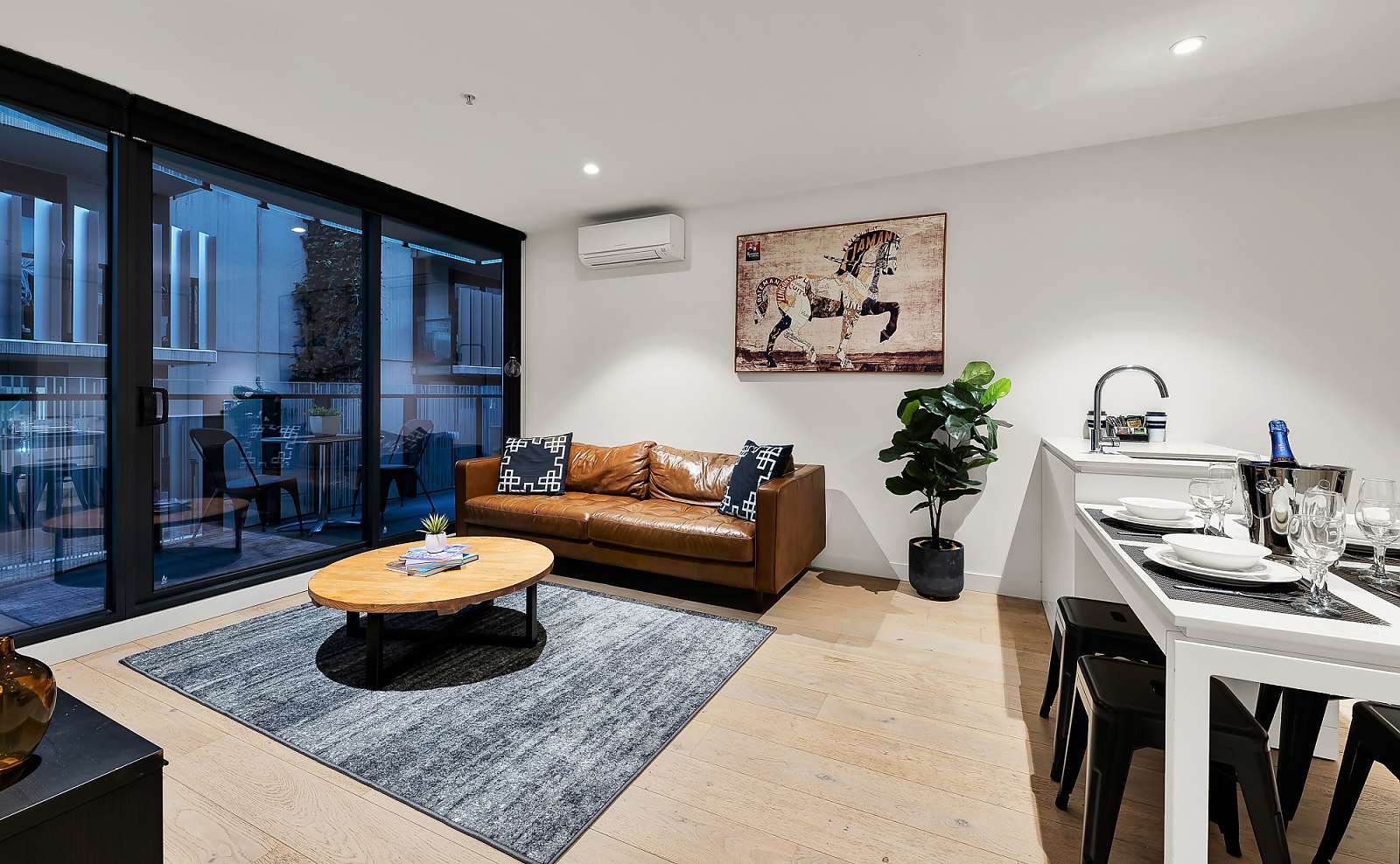
For decades, hotels have been the traditional choice for travellers seeking short-term accommodation. Whether for business trips, holidays, or temporary relocation, hotels offered predictable services and standardised amenities. However, in recent years, short-term rentals have become an increasingly popular alternative. From city apartments to serviced residences, these accommodation options provide travellers with greater flexibility, comfort, and a more home-like environment.
As travel habits evolve, more people are discovering that short-term rentals can offer practical advantages over traditional hotel stays, particularly for longer visits, family trips, or business assignments. The combination of space, privacy, and convenience has made these rentals an attractive choice for modern travellers.
More Space and Comfort
One of the biggest advantages of short-term rentals is the additional space they provide. Hotel rooms, especially in major cities, are often compact and designed for brief stays. In contrast, short-term rental apartments typically include separate living areas, bedrooms, and sometimes even balconies or workspaces.
This additional space can make a significant difference, particularly for travellers staying for several days or weeks. Having a living room to relax in, a dining area to enjoy meals, or a quiet workspace for remote work can create a more comfortable and functional environment.
Families travelling with children also benefit from larger living spaces. Instead of booking multiple hotel rooms, a short-term rental apartment allows everyone to stay together while still maintaining personal space.
A More Home-Like Experience
Many travellers appreciate the home-like atmosphere that short-term rentals provide. Unlike hotel rooms that may feel temporary or impersonal, rental apartments often include furnishings, décor, and amenities designed to replicate everyday living.
Guests can cook meals in fully equipped kitchens, do laundry in private washing machines, and relax in comfortable living areas. These conveniences help travellers maintain their routines even when away from home.
For people staying in a new city for work assignments, medical visits, or extended holidays, this familiar environment can help reduce the stress associated with being away from home.
Cost-Effective for Longer Stays
Short-term rentals are often more economical than hotels for extended stays. Hotel prices typically include daily housekeeping and other services that may not be necessary for travellers staying for multiple weeks.
Rental apartments often offer discounted weekly or monthly rates, making them a practical option for business travellers, relocating families, or individuals waiting for permanent housing arrangements.
The ability to prepare meals at home can also help reduce dining costs. Instead of relying on restaurants for every meal, guests can shop for groceries and cook in their own kitchen.
Greater Privacy and Flexibility
Privacy is another major advantage of short-term rentals. While hotels offer convenience and service, they also involve shared hallways, busy lobbies, and frequent interactions with staff and other guests.
Short-term rental apartments provide a more independent living experience. Guests can come and go as they please, enjoy quiet evenings, and maintain their own schedules without interruptions.
This independence is particularly appealing for travellers who value a relaxed and private environment. Business travellers, digital nomads, and families often prefer accommodations where they can settle in comfortably rather than feeling like temporary visitors.
Ideal for Business and Corporate Travel
Corporate travellers increasingly choose short-term rental apartments because they combine the comfort of home with the convenience of city locations. Many apartments are located in central business districts or near major transport hubs, making commuting easy.
With dedicated workspaces, reliable Wi-Fi, and separate living areas, these accommodations allow professionals to maintain productivity during business trips. The extra space also makes it easier to host informal meetings or work remotely without the distractions of a hotel environment.
Many companies now arrange accommodation for employees in fully furnished serviced apartments, which offer the benefits of apartment living while still providing services such as housekeeping, reception assistance, and maintenance support.
Suitable for Medical and Relocation Stays
Short-term rentals are also a practical option for people travelling for medical treatment or temporary relocation. Patients and families visiting hospitals in major cities often require accommodation for days or weeks at a time.
Apartment-style accommodation provides the space and comfort needed during these challenging situations. Having a kitchen, living room, and laundry facilities allows guests to maintain daily routines while focusing on health and recovery.
Similarly, individuals relocating for work may use short-term rentals while searching for permanent housing in a new city.
A Growing Trend in Modern Travel
The popularity of short-term rentals reflects a broader shift in how people travel. Modern travellers increasingly value flexibility, convenience, and personalised experiences.
Technology platforms have made it easier than ever to discover and book rental properties around the world. At the same time, serviced apartment providers are expanding their offerings to meet the needs of business travellers, families, and long-term guests.
These accommodations bridge the gap between hotels and traditional housing, offering the best of both worlds.
Final Thoughts
Short-term rentals have quickly become a preferred accommodation option for many travellers. With larger living spaces, greater privacy, and practical amenities, they offer a comfortable alternative to traditional hotels.
Whether for business trips, extended holidays, relocation, or medical travel, apartment-style stays provide the flexibility and convenience modern travellers seek. As the demand for personalised travel experiences continues to grow, short-term rentals are likely to remain an important part of the global accommodation landscape—helping guests feel at home wherever their journeys take them.