Flexible living has become a defining feature of modern life. With remote work, project-based employment, relocation, and lifestyle-driven mobility on the rise, people increasingly seek accommodation that adapts to their needs rather than locking them into rigid arrangements. Serviced apartments have emerged as a practical and popular solution, bridging the gap between hotels and traditional rentals while supporting a more flexible way of living.
Designed for Change, Not Permanence
Traditional housing models are often built around long-term commitments—12-month leases, upfront furniture purchases, and utility connections. Serviced apartments take a different approach. They are designed for people whose circumstances may change over weeks or months rather than years.
Whether someone is relocating for work, undertaking a short-term project, waiting for a home renovation to finish, or transitioning between life stages, serviced apartments provide a ready-made home without the long-term obligation. This flexibility allows residents to focus on work, family, or recovery rather than logistics.
Fully Furnished and Move-In Ready
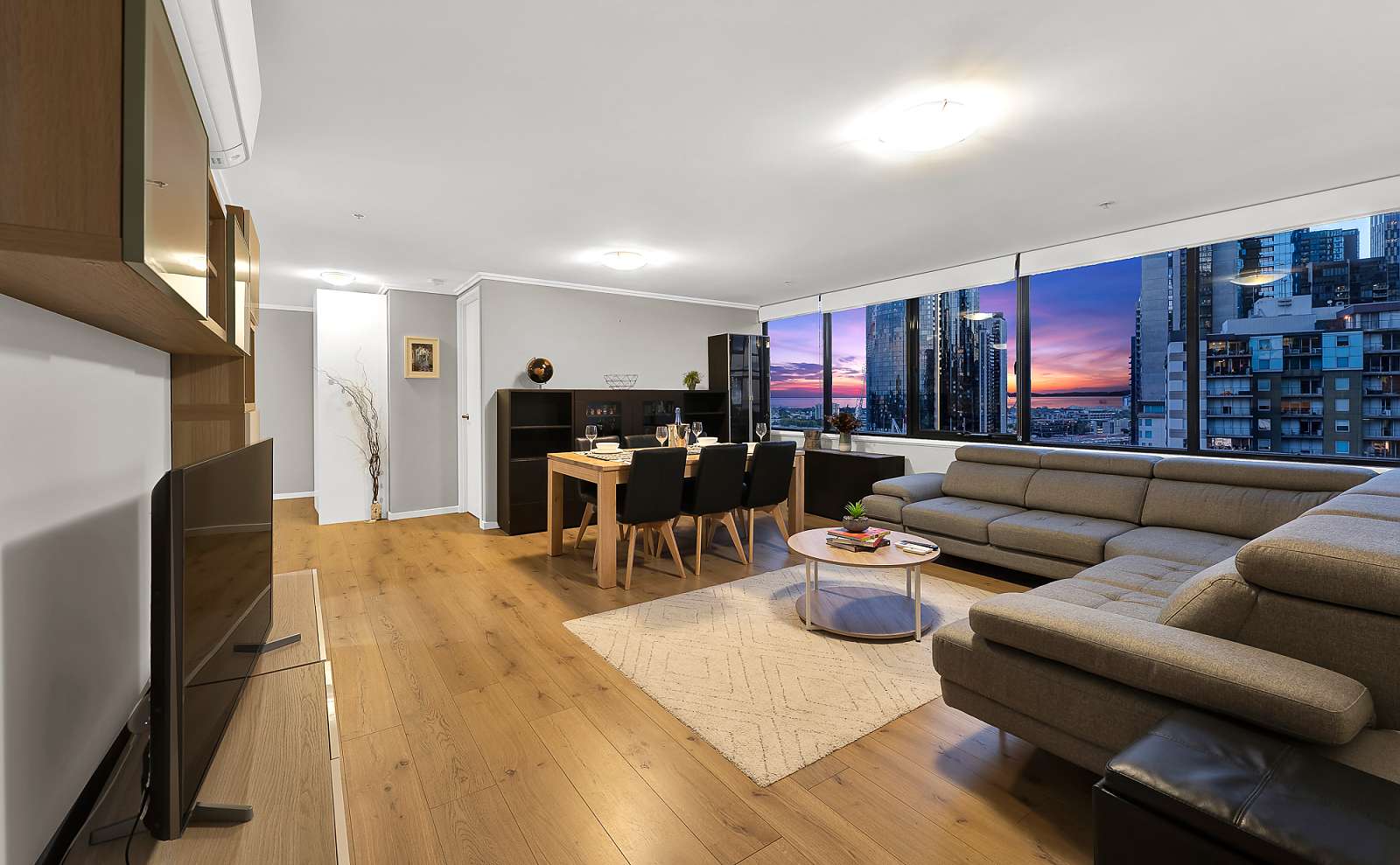
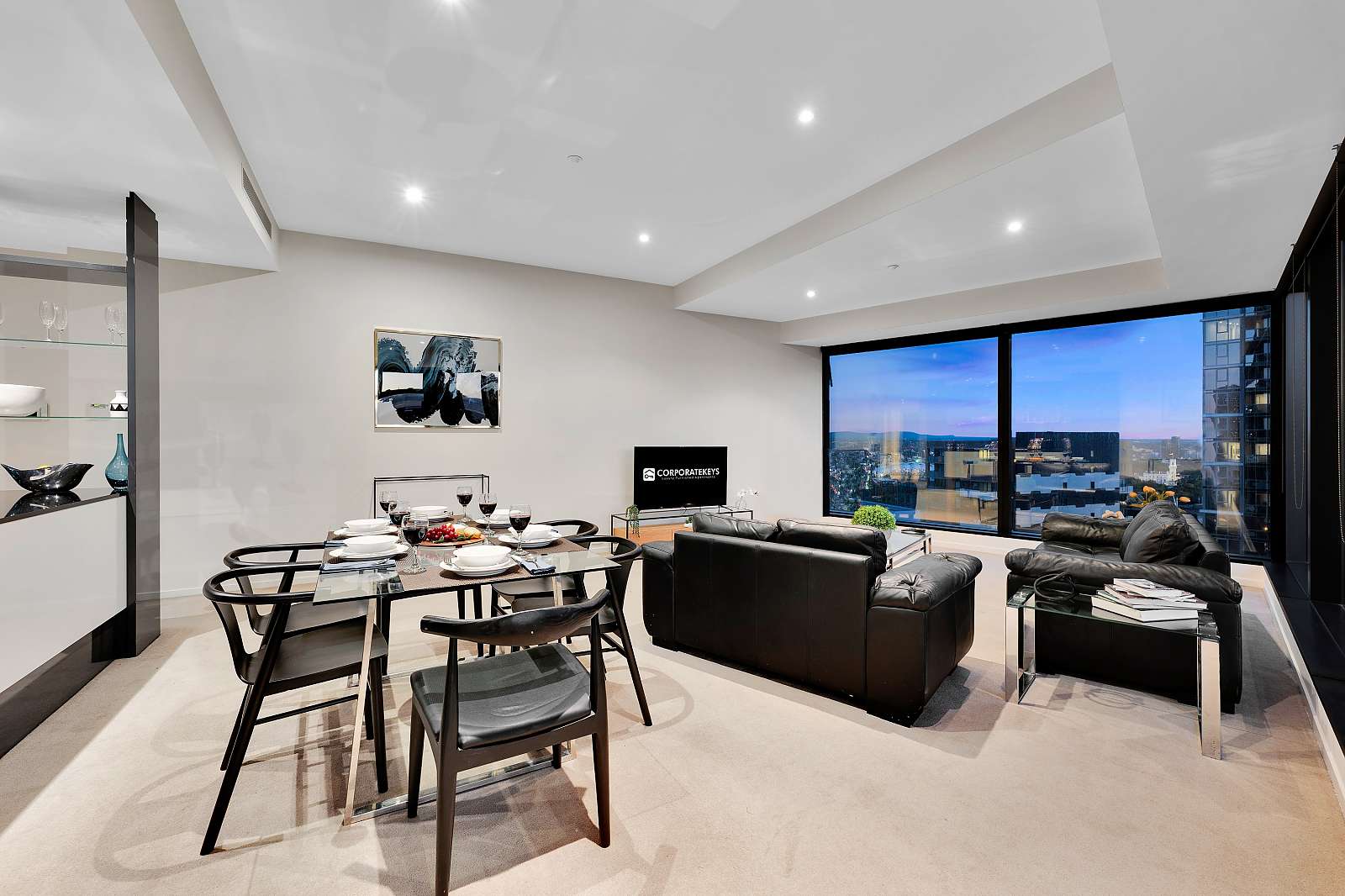
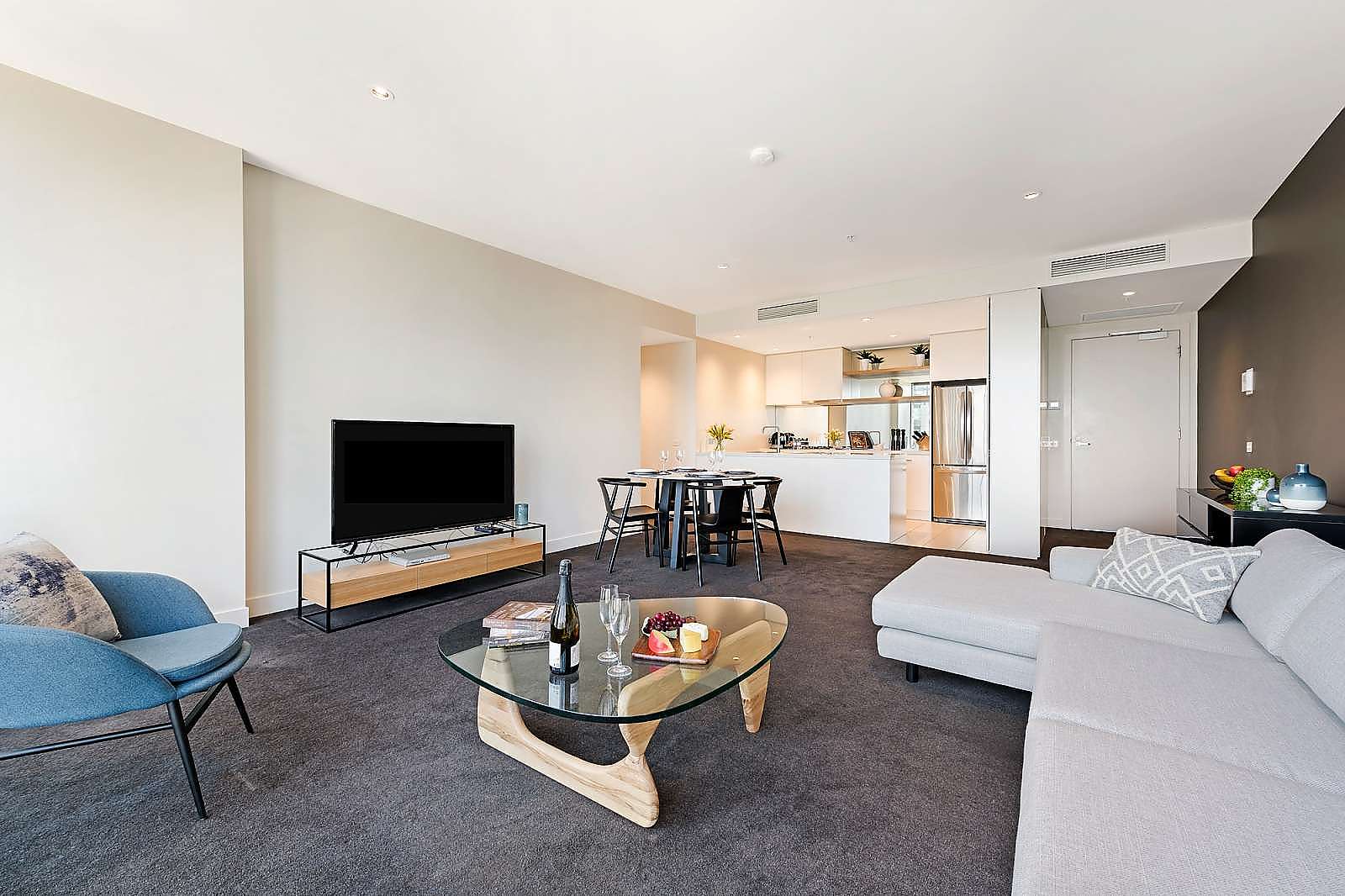
One of the most significant ways serviced apartments support flexible living is through complete furnishing and inclusions. Residents can arrive with a suitcase and immediately settle in. Furniture, kitchenware, appliances, linen, internet, and utilities are typically included in one simple arrangement.
This removes common barriers associated with moving, such as buying furniture, arranging deliveries, or setting up accounts. For people staying weeks or months rather than years, this convenience is essential and supports a more mobile lifestyle.
Flexible Lengths of Stay
Unlike traditional rentals with fixed lease terms, serviced apartments offer flexible stay durations. Guests can stay for a few nights, several weeks, or multiple months, often with the option to extend if plans change.
This adaptability suits:
- Professionals on temporary or project-based assignments
- Families relocating while securing permanent housing
- Medical patients and support networks near hospitals
- Remote workers trialling a new city
- Individuals between home purchases or renovations
The ability to adjust stay length without penalty is a core reason serviced apartments align so well with flexible living.
Space That Supports Daily Life
Serviced apartments offer significantly more space than standard hotel rooms, which is crucial for longer stays. Separate living, dining, sleeping, and working areas allow residents to maintain daily routines and a sense of normality.
Having a kitchen encourages healthier eating and cost control. Laundry facilities support independence. Dedicated living areas provide room to relax, work, or host visitors. This residential-style layout enables people to live comfortably rather than simply “stay” somewhere.
Supporting Work-from-Anywhere Lifestyles
As remote and hybrid work models continue to grow, accommodation needs have evolved. Serviced apartments naturally support work-from-anywhere living by offering:
- Reliable high-speed internet
- Quiet, private workspaces
- Comfortable environments suitable for longer hours
For professionals balancing work commitments with travel or relocation, serviced apartments provide a productive environment without the formality or disruption of hotels.
Reduced Stress During Transitions
Flexible living often coincides with periods of change—new jobs, new cities, family transitions, or unexpected circumstances. Serviced apartments help reduce stress by simplifying accommodation during these times.
With utilities included, professional management, and maintenance support readily available, residents are freed from many of the responsibilities that come with traditional renting. This allows them to focus on settling into new routines or managing important priorities.
Cost Transparency and Predictability
Another key benefit is cost clarity. Serviced apartments usually bundle rent, utilities, internet, and furnishings into a single rate. This transparency makes budgeting easier, especially for longer stays or employer-funded accommodation.
For businesses and individuals alike, predictable costs are an important part of flexible living—eliminating surprise bills or setup expenses.
Ideal for Urban and Lifestyle-Focused Locations
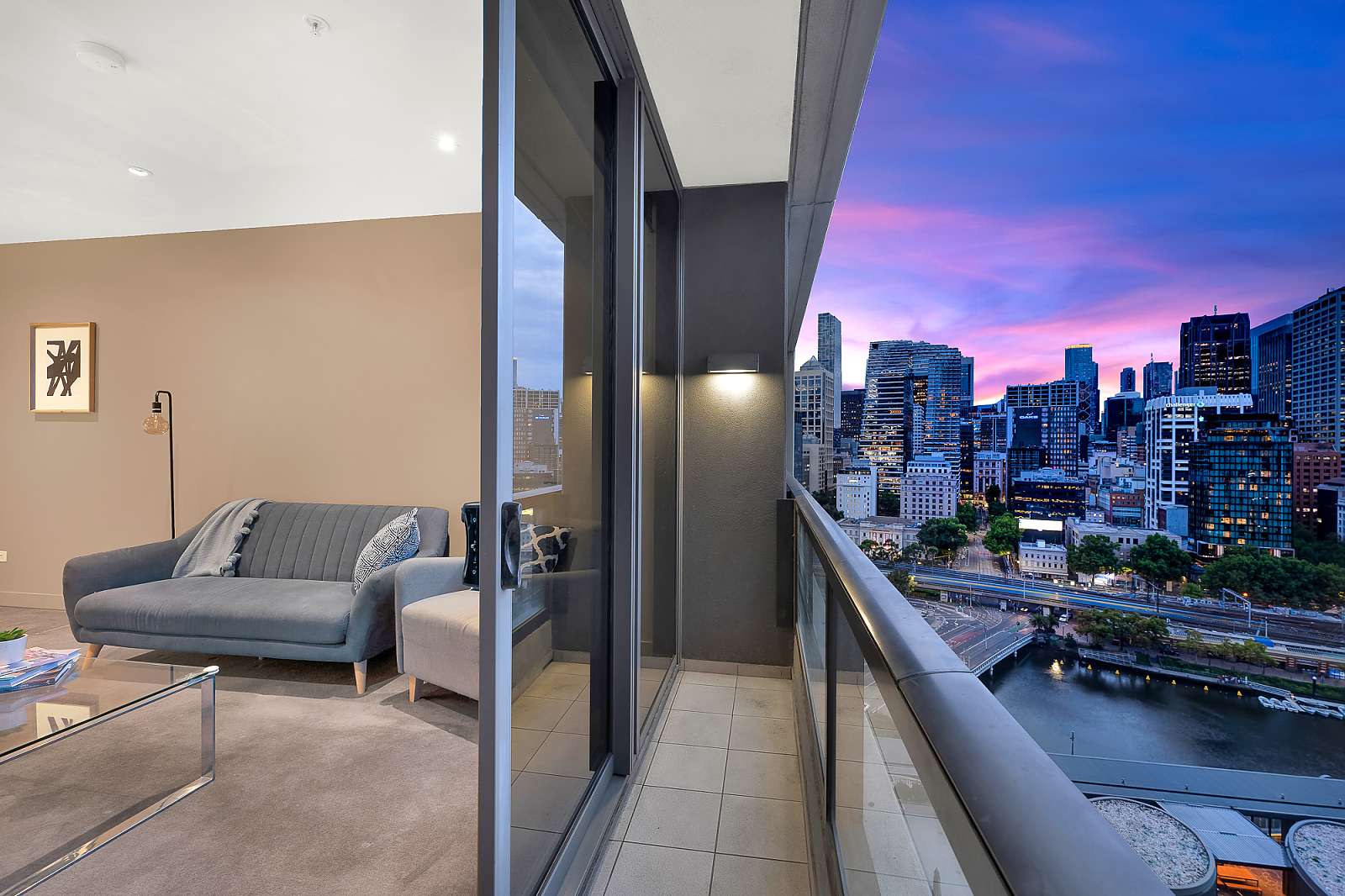
Serviced apartments are commonly located in city centres and well-connected urban areas, close to transport, workplaces, hospitals, and lifestyle amenities. This supports flexible living by reducing commute times and enabling residents to integrate easily into their surroundings.
Access to cafes, parks, gyms, and cultural attractions helps residents feel part of the community, even during temporary stays.
Adapting to Modern Living Needs
The popularity of serviced apartments reflects broader changes in how people live and work. Flexibility, convenience, and comfort are no longer luxuries—they are expectations. As mobility increases and life paths become less linear, accommodation must evolve to keep pace.
Serviced apartments answer this need by offering a housing option that is adaptable, comfortable, and practical without long-term constraints.
Final Thoughts
Serviced apartments support flexible living by removing barriers, simplifying transitions, and adapting to changing needs. Through flexible stay lengths, fully furnished spaces, residential layouts, and inclusive pricing, they provide a lifestyle solution that fits modern realities.
For anyone seeking comfort and stability without long-term commitment, serviced apartments offer a balanced, future-focused approach to living—one that aligns perfectly with today’s flexible way of life.